Termites are often overlooked in strata schemes, but they can cause significant damage to buildings if left undetected.
Whether it’s a townhouse complex, duplex development or larger residential scheme, effective termite management is essential to protecting the building and avoiding potentially expensive repairs.
Just like a standalone house, strata properties require regular inspections and appropriate termite management systems to reduce the risk of infestation.
But who is responsible for termite inspections, and what should your body corporate be doing to protect the property?
Why Termites Are a Concern for Strata Properties
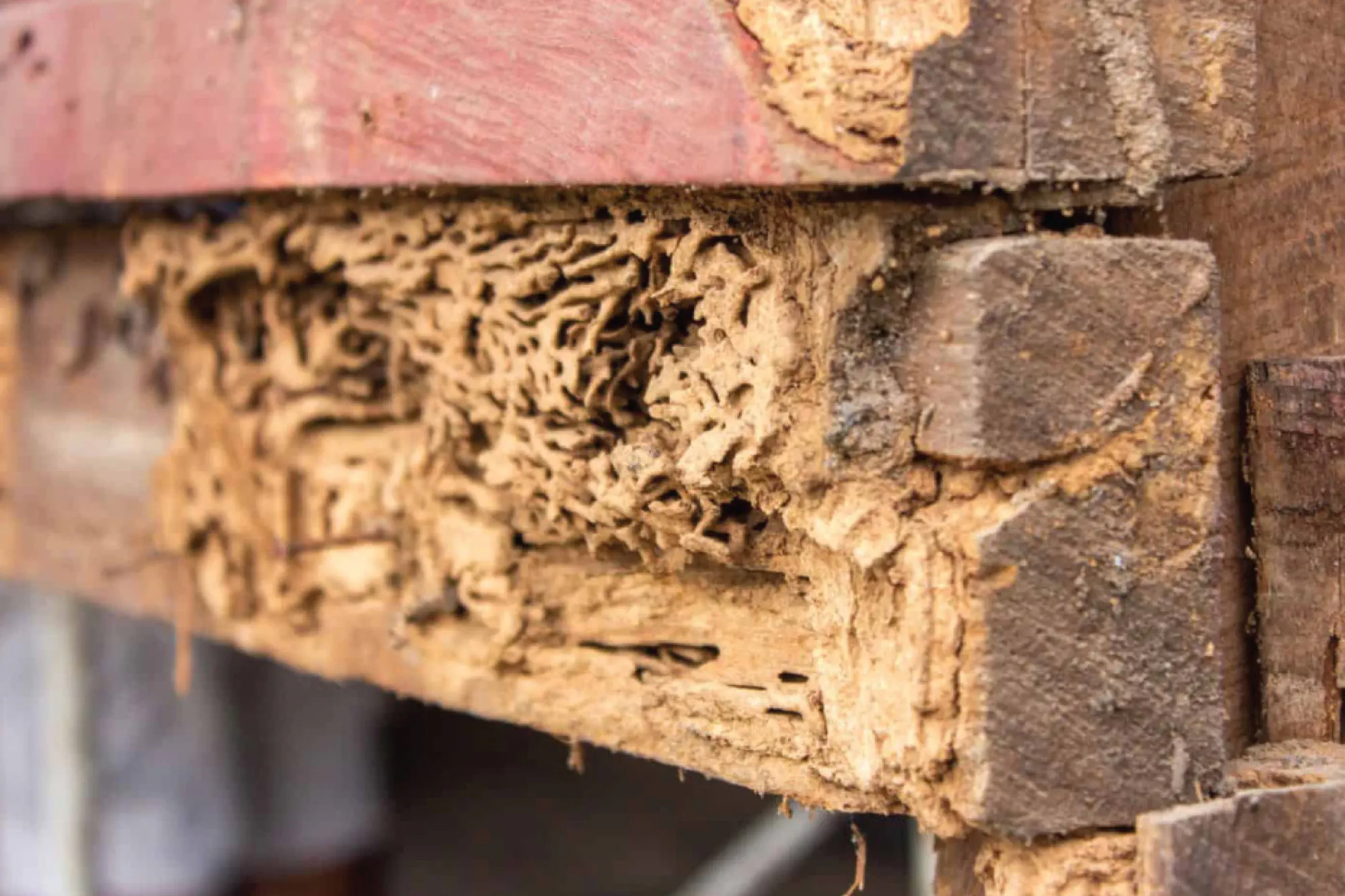
Termites can cause extensive damage to timber framing, flooring, roof structures and other building elements, often without obvious signs of activity.
By the time the damage becomes visible, the extent of the infestation may already be significant.
For bodies corporate, this can create several problems, including expensive repairs, potential structural concerns, disputes over responsibility and unexpected expenditure.
The risks can be particularly significant in townhouse and duplex developments, where individual lots may share building elements, roof structures or adjoining walls.
A proactive approach to termite management is far more practical than dealing with major damage after an infestation has occurred.
Who Is Responsible for Termite Management in a Body Corporate?
In Queensland, the body corporate is generally responsible for pest inspections, prevention and treatment work relating to common property.
Individual lot owners are generally responsible for pest inspections and treatment within their own lots.
However, responsibility can become more complicated depending on the property’s survey plan, building configuration and the location of the infestation or damage.
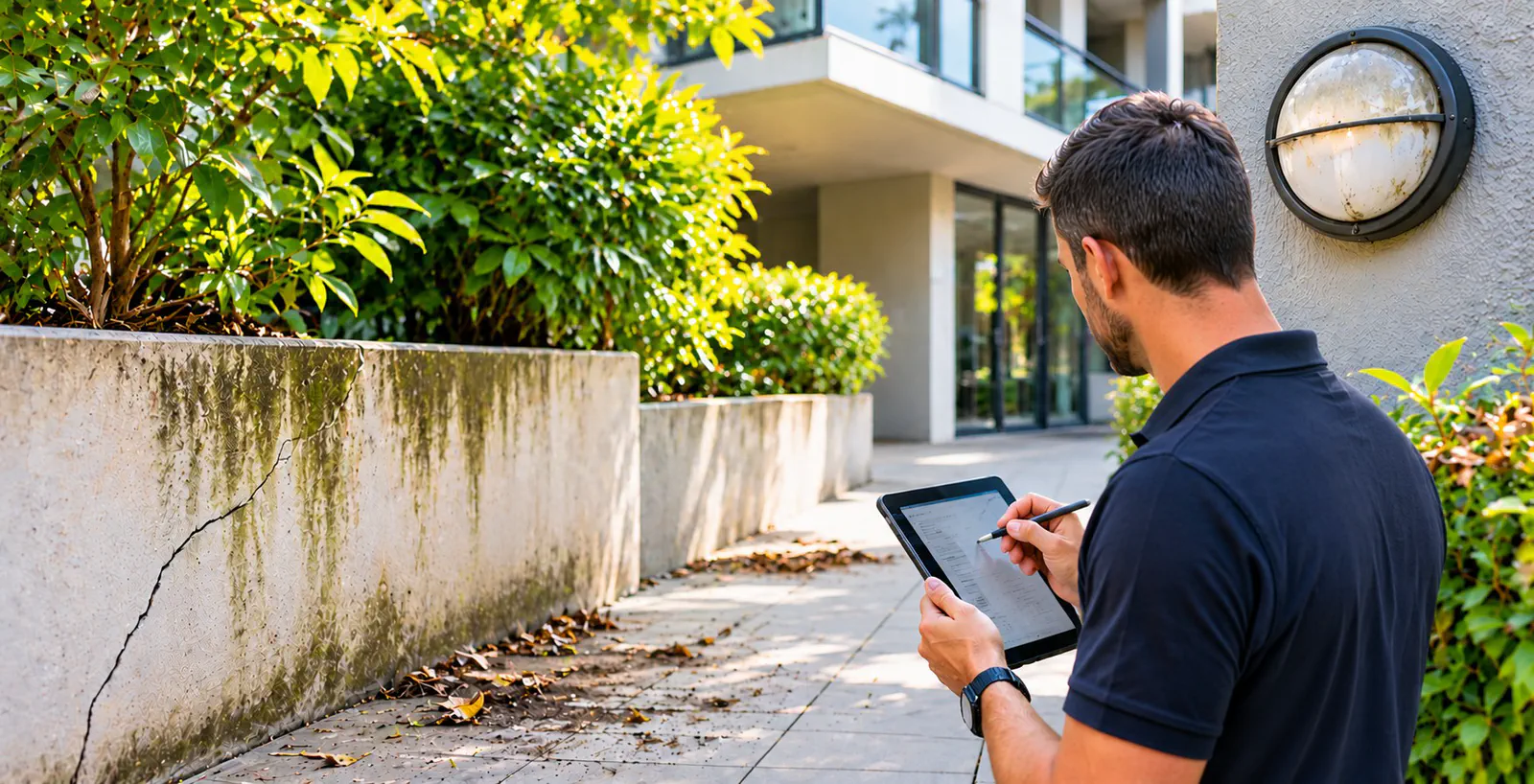
For example, termites may enter through landscaping or ground areas before causing damage within an adjoining townhouse.
This is why it’s important for committees to understand their maintenance responsibilities and consider a coordinated approach to termite management across the scheme.
How Often Should Strata Properties Be Inspected for Termites?
As a general guide, annual inspections by a suitably licensed termite management professional are recommended, with more frequent inspections where the property has a higher termite risk.
Inspections should consider relevant accessible areas, potential entry points, signs of termite activity and conditions that may increase the likelihood of infestation.
For townhouse and duplex developments, internal inspections of individual lots are also worth considering, as termites may remain undetected within concealed building areas.
Bodies corporate may find it beneficial to coordinate inspections across common property and individual lots, subject to the necessary arrangements and access permissions.
Regular inspections are particularly important because termite management systems do not guarantee that termites will never enter a building.
Common Factors That Increase Termite Risk
Several conditions commonly found around strata properties can increase the likelihood of termite activity.
1. Poor Storage Practices and Timber Debris
Timber offcuts, cardboard boxes, stored materials and other cellulose-based products left directly on the ground can provide favourable conditions for termites.
These materials are sometimes found in garden beds, basement storage areas, underneath buildings or alongside external walls.
Bodies corporate should consider appropriate storage practices and ensure timber debris and unnecessary materials are removed from common property.
Items should also be stored in a way that allows relevant building areas and potential termite entry points to remain accessible for inspection.
2. Moisture and Drainage Problems
Moisture is one of the most important factors to consider when managing termite risks.
Leaking external taps, damaged pipework, overflowing gutters and poorly maintained drainage can create damp conditions around a building.
In some cases, these problems can remain unnoticed for extended periods.
Common areas requiring attention include:
- Leaking taps, plumbing and irrigation systems.
- Blocked gutters and overflowing downpipes.
- Poorly drained garden beds and landscaped areas.
- Water pooling around building foundations.
- Moisture beneath decks and other structures.
- Leaks from bathrooms, laundries and concealed pipework.
Maintaining adequate drainage and repairing leaks can help reduce conditions favourable to termite activity.
3. Decking, Timber Structures and External Attachments
Timber decking, pergolas, posts and other structures adjoining a building can provide concealed pathways for termites.
Where timber components are in direct contact with the ground, or where structures prevent inspection of external walls, termite activity may go undetected.
Appropriate separation, suitable construction details and access for inspection are important considerations.
Bodies corporate should also be mindful of alterations or additions that may affect an existing termite management system.
4. Soil Levels, Garden Beds and Pathways
Changes to landscaping and ground levels can interfere with termite inspection zones and management systems.
For example, raised garden beds, soil, mulch or new concrete pathways may conceal areas intended to remain visible for detecting termite activity.
Some termite management systems rely on a 75 mm visual inspection zone, although the requirements depend on the building and the particular system installed.
Committees should ensure that landscaping and maintenance works do not compromise the property’s existing termite management provisions.
What Termite Management Systems Are Available?
Different termite management methods may be suitable depending on the building, construction type, existing protection and level of risk.
Australian Standard AS 3660.2:2017 – Termite Management: In and Around Existing Buildings and Structures provides guidance on managing subterranean termites in existing buildings.
Two commonly used approaches include:
Chemical Termite Management Systems
Chemical treatments may be used to establish a treated zone around relevant building areas to help manage the risk of subterranean termite entry.
The suitability and effectiveness of these systems depend on the treatment method, site conditions, installation and ongoing maintenance.
Termite Baiting and Monitoring Systems
Baiting and monitoring systems use stations positioned around relevant areas of the property to help identify and manage termite activity.
These systems require an appropriate monitoring and servicing programme.
The most suitable approach should be determined by a properly licensed termite management professional, taking into account the property’s specific risks and existing protection.
The Importance of Ongoing Maintenance
Installing a termite management system is only part of the process.
Regular inspections, appropriate servicing and maintaining the surrounding building conditions are equally important.
For bodies corporate, this means ensuring that relevant inspection records, treatment information and maintenance recommendations are retained and reviewed.
Caretakers and building managers may also play an important role in identifying leaking taps, drainage concerns, timber debris and other conditions that could increase termite risk, where these activities form part of their contractual duties.
However, specialist termite inspections and treatments should be undertaken by appropriately licensed professionals.
What Should You Do If Termites Are Found?
If termite activity or suspected damage is identified, the body corporate or affected owner should arrange an assessment by a suitably licensed termite management professional.
Avoid disturbing suspected termite activity or attempting to treat the infestation yourself, as this may interfere with professional assessment and treatment.
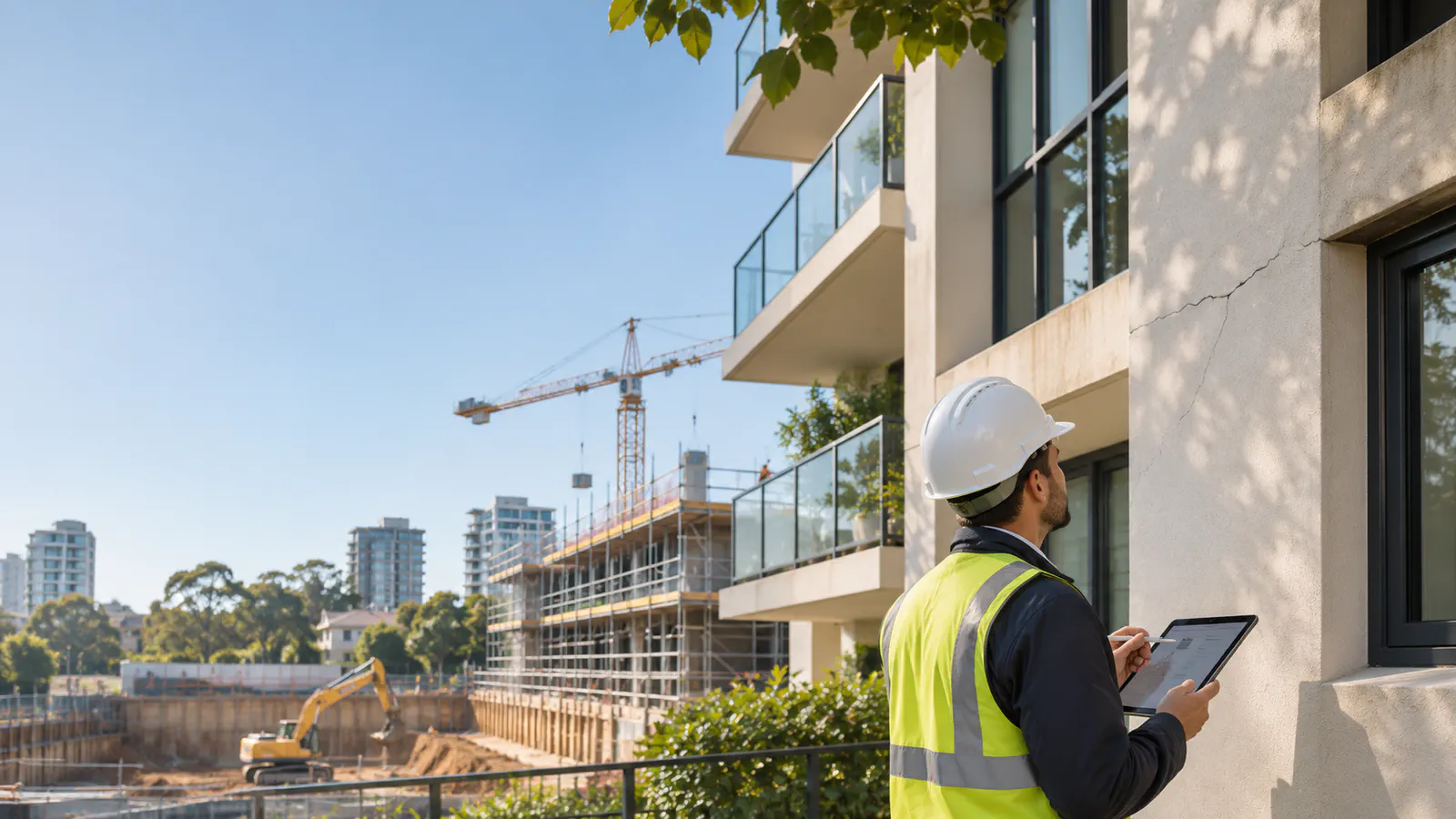
Where damage to structural building elements is suspected, further investigation by a qualified building consultant or engineer may also be required.
It is important to establish both the extent of the infestation and whether building repairs are necessary.
Don’t Wait Until Termite Damage Becomes an Expensive Problem
Termites can cause substantial damage to strata properties, particularly where regular inspections are overlooked or conditions around the building allow activity to remain undetected.
For body corporate committees, a proactive approach involves understanding maintenance responsibilities, arranging appropriate inspections and ensuring identified risks are addressed.
Whether your scheme consists of a small townhouse development or a larger residential complex, protecting the building against termites should form part of its ongoing maintenance planning.
Need Advice About Your Building’s Condition?
Olive Tree Consulting Group provides independent building condition assessments and maintenance-related consulting services for bodies corporate throughout Queensland and Northern NSW.
Where termite damage has been identified, our building consultants and engineering team can assist with assessing relevant building deterioration and structural concerns within an agreed scope.
For specialist termite detection and treatment, a suitably licensed termite management contractor should be engaged.
Contact Olive Tree Consulting Group to discuss your property’s building condition or maintenance requirements.