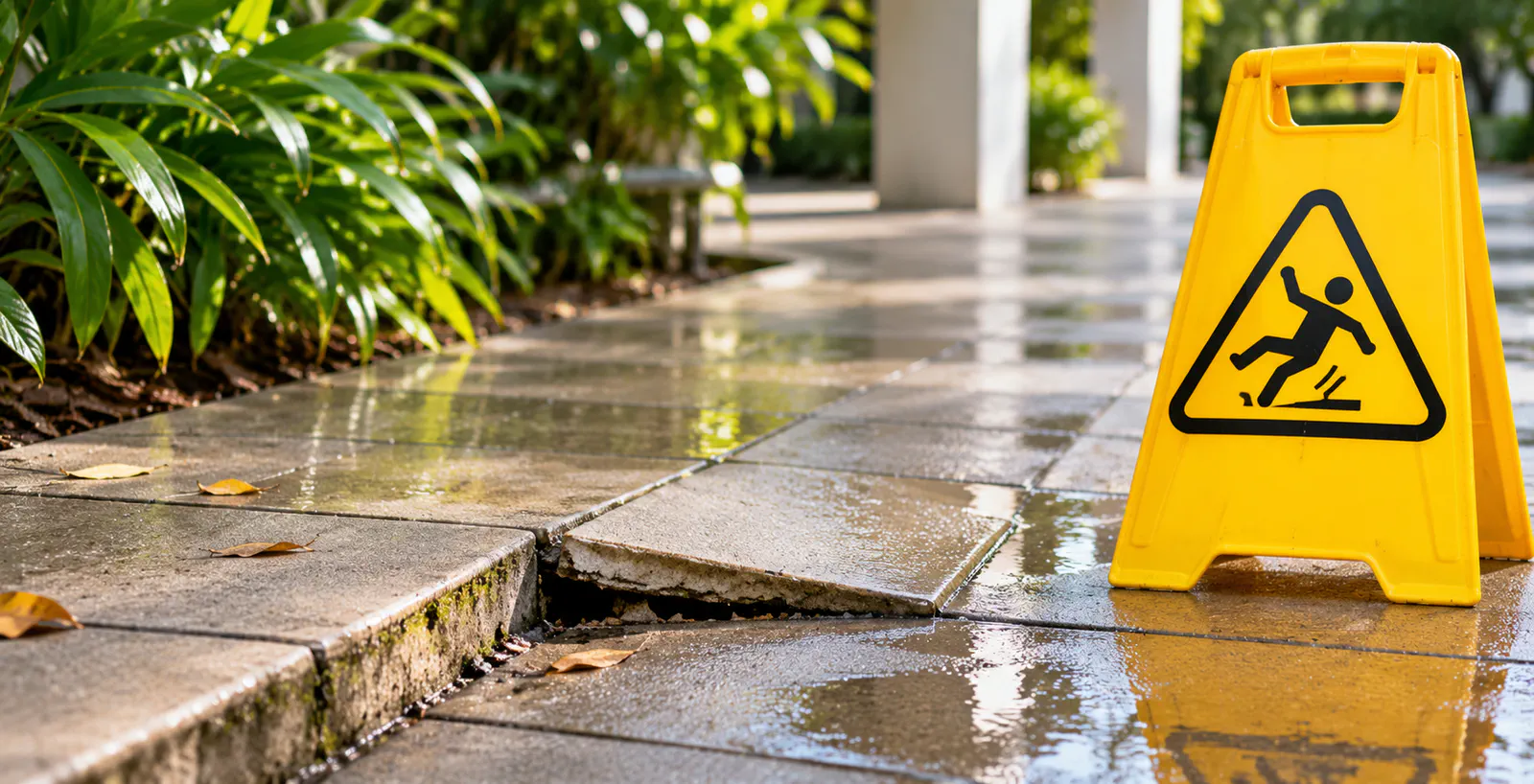
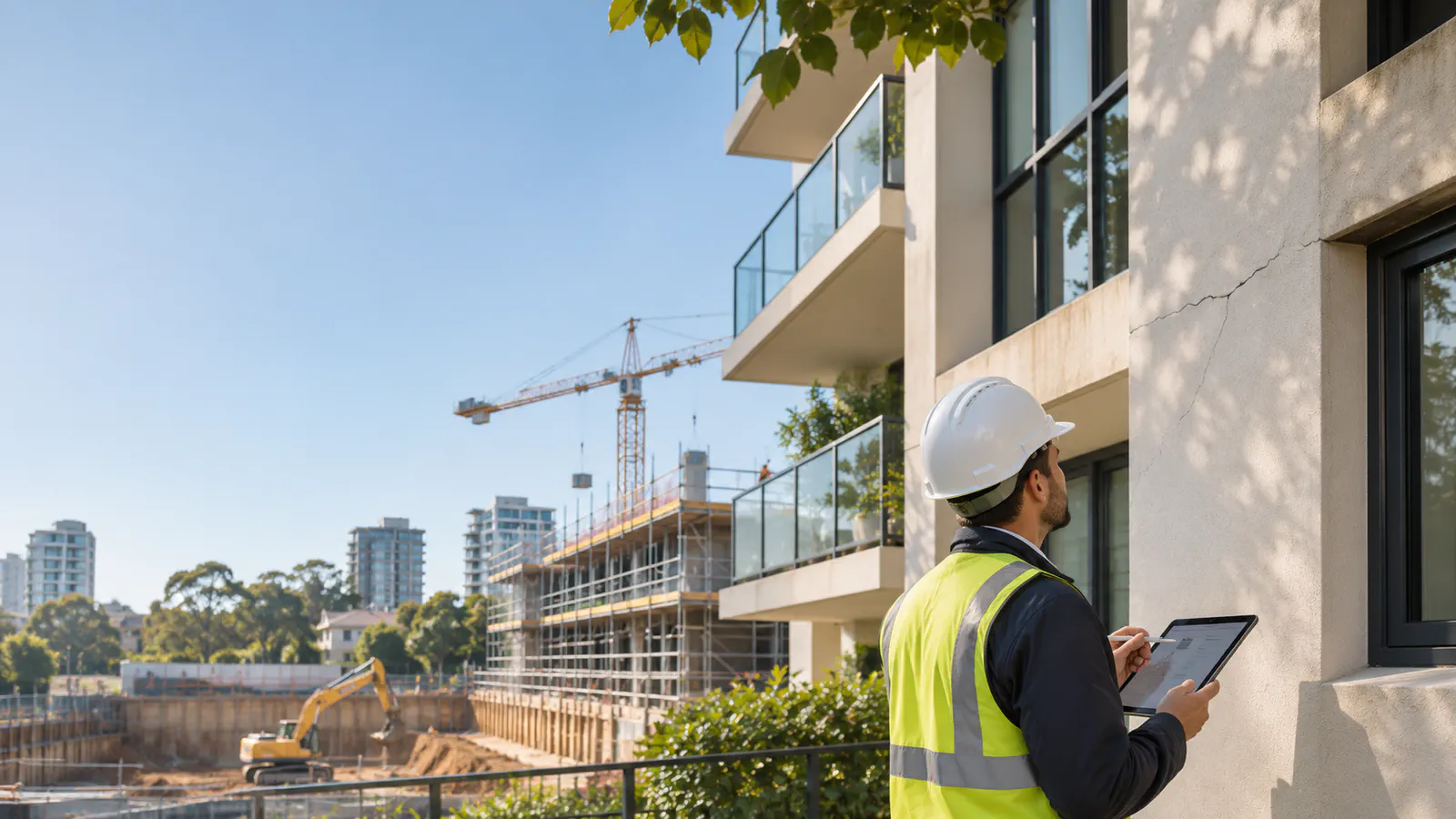
Construction activity on neighbouring properties can pose significant risks to existing buildings, particularly in high-density areas where structures are close together.
A dilapidation report helps protect the interests of property owners, builders, developers and bodies corporate by documenting the existing condition of buildings and surrounding structures before construction begins.
Why Dilapidation Reports Matter
Nearby construction can affect neighbouring properties through excavation, ground movement, vibrations and changes to drainage conditions.
Without a record of the property’s condition before works commence, it can be difficult to determine whether cracking, damage or deterioration was already present or occurred during construction.
A dilapidation report provides an independent, photographic record of existing conditions, helping to:
- Document pre-existing defects and damage.
- Provide evidence in the event of construction-related disputes.
- Identify existing conditions that may require monitoring.
- Assist with comparing property conditions before and after construction.
This documentation can be valuable to both property owners and developers when concerns arise about potential construction-related damage.
Common Risks from Neighbouring Construction
1. Structural Movement & Settlement
Excavation and foundation works can disturb surrounding soils, potentially leading to settlement or movement in neighbouring buildings. This may result in cracking, structural movement or damage to existing building elements.
2. Vibration Damage
Construction activities such as piling, drilling, demolition and heavy machinery operation can generate vibrations that may affect surrounding structures, particularly older buildings or those with existing defects.
3. Cracking & Surface Damage
Brickwork, render, plaster and concrete surfaces can develop cracking due to movement or vibration. Without an existing condition report, it may be difficult to establish whether damage was present before construction commenced.
4. Water Ingress & Drainage Impacts
Excavation and changes to surrounding ground conditions can affect groundwater levels, drainage patterns and water movement, potentially contributing to moisture problems or erosion.
What Does a Dilapidation Inspection Include?
A dilapidation inspection documents the condition of accessible building areas and surrounding structures before nearby construction begins.
Depending on the property and scope of inspection, this may include:
- External walls, facades and building finishes.
- Internal walls, ceilings and floors.
- Existing cracks, damage and deterioration.
- Driveways, footpaths, paving and retaining walls.
- Boundary walls, fences and other nearby structures.
At Olive Tree Consulting Group, our inspections provide a detailed record of visible building conditions, supported by photographic evidence and descriptions of identified defects.
Reports can be used as a reference for future inspections or to assist in assessing claims of construction-related damage.
Preventing Disputes Through Proper Documentation
One of the biggest challenges with neighbouring construction is determining whether reported damage existed before works commenced.
A dilapidation report helps establish a clear baseline, allowing property owners, builders and developers to compare conditions if concerns arise during or after construction.
While a report does not prevent construction-related damage, it provides valuable evidence that can assist with investigations, negotiations and resolving disputes.
For more complex matters, further engineering investigations may be required to determine the cause of any newly identified damage.
When Should You Get a Dilapidation Report?
Ideally, a dilapidation report should be completed before nearby construction or demolition works commence.
These reports are particularly relevant for:
- High-rise and multi-residential developments.
- Excavation and basement construction.
- Demolition and major renovation projects.
- Infrastructure and civil works.
- Construction occurring close to existing buildings or structures.
Even smaller construction projects can present risks where neighbouring properties are close to the proposed works.
For developments involving significant excavation, vibration or ground movement, a follow-up inspection may also be useful to document any changes in the property’s condition.
Protect Your Property Before Construction Begins
Whether you’re a property owner concerned about neighbouring construction or a developer preparing to commence works, obtaining a dilapidation report is a practical step towards documenting existing conditions and reducing the potential for disputes.
Olive Tree Consulting Group provides independent dilapidation surveys across Queensland and Northern NSW, helping bodies corporate, property owners, builders and developers establish a reliable record of their property’s condition.
Need a Dilapidation Report?
Contact Tyrin and the team at Olive Tree Consulting Group to discuss your requirements or request an obligation-free quotation.
**Office: **1300 142 172
**Email: **admin@olivetreeconsultinggroup.com.au