Body corporate committees are responsible for managing and maintaining common property, including addressing safety hazards that could put owners, residents, contractors and visitors at risk.
While not every body corporate is classified as a Person Conducting a Business or Undertaking (PCBU) under Queensland’s Work Health and Safety Act 2011, this does not mean they are exempt from all safety responsibilities.
Not a PCBU? You Still Have Safety Responsibilities.
A common misconception is that residential bodies corporate are exempt from safety obligations because they are not considered a PCBU.
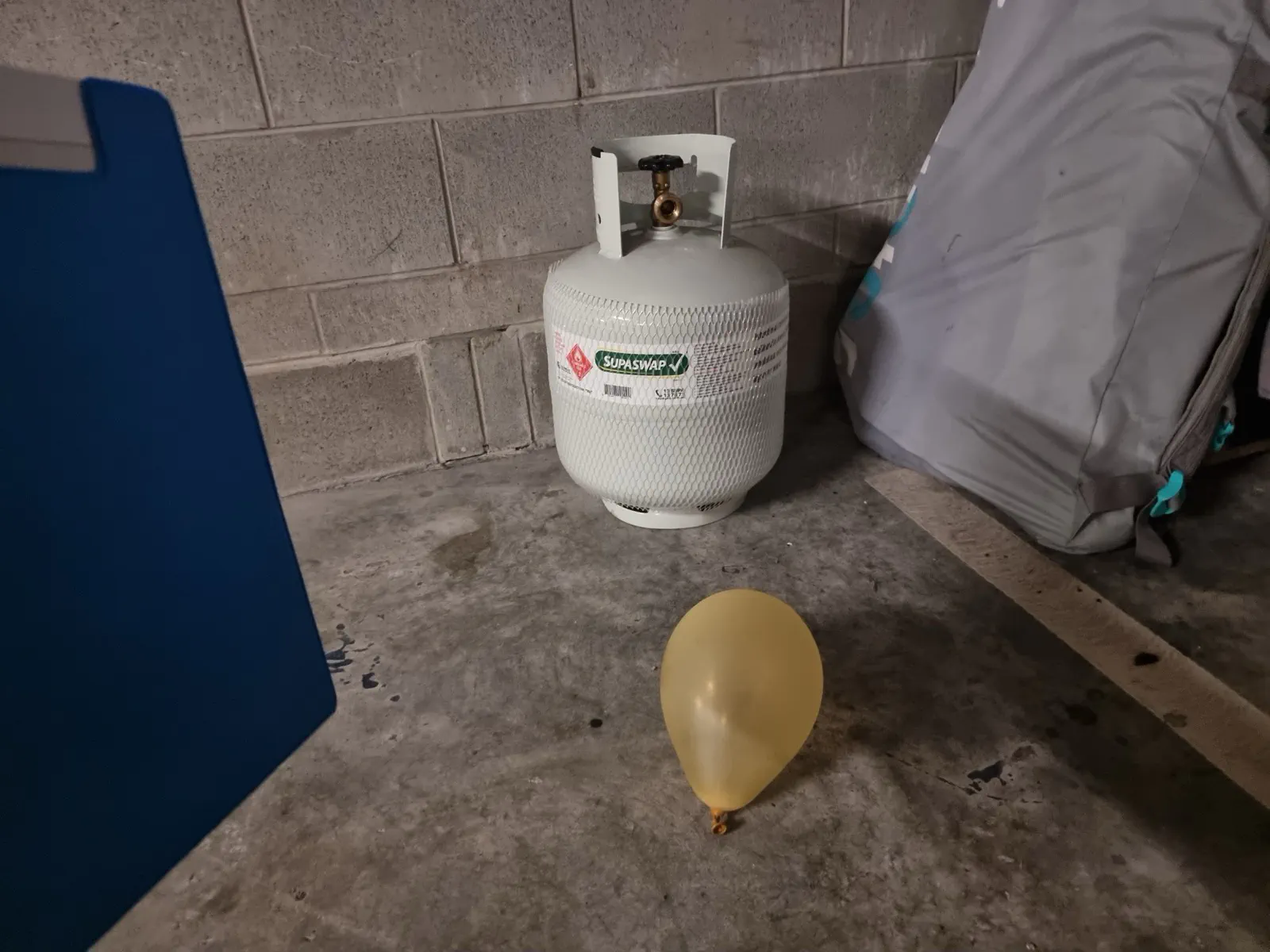
Under Queensland WHS legislation, a residential-only body corporate that does not directly employ workers is generally not classified as a PCBU. However, WHS duties may still apply in certain circumstances, including those involving high-risk plant or dangerous goods.
Importantly, bodies corporate also have obligations under the Body Corporate and Community Management Act 1997 and applicable regulations to maintain common property in good condition.
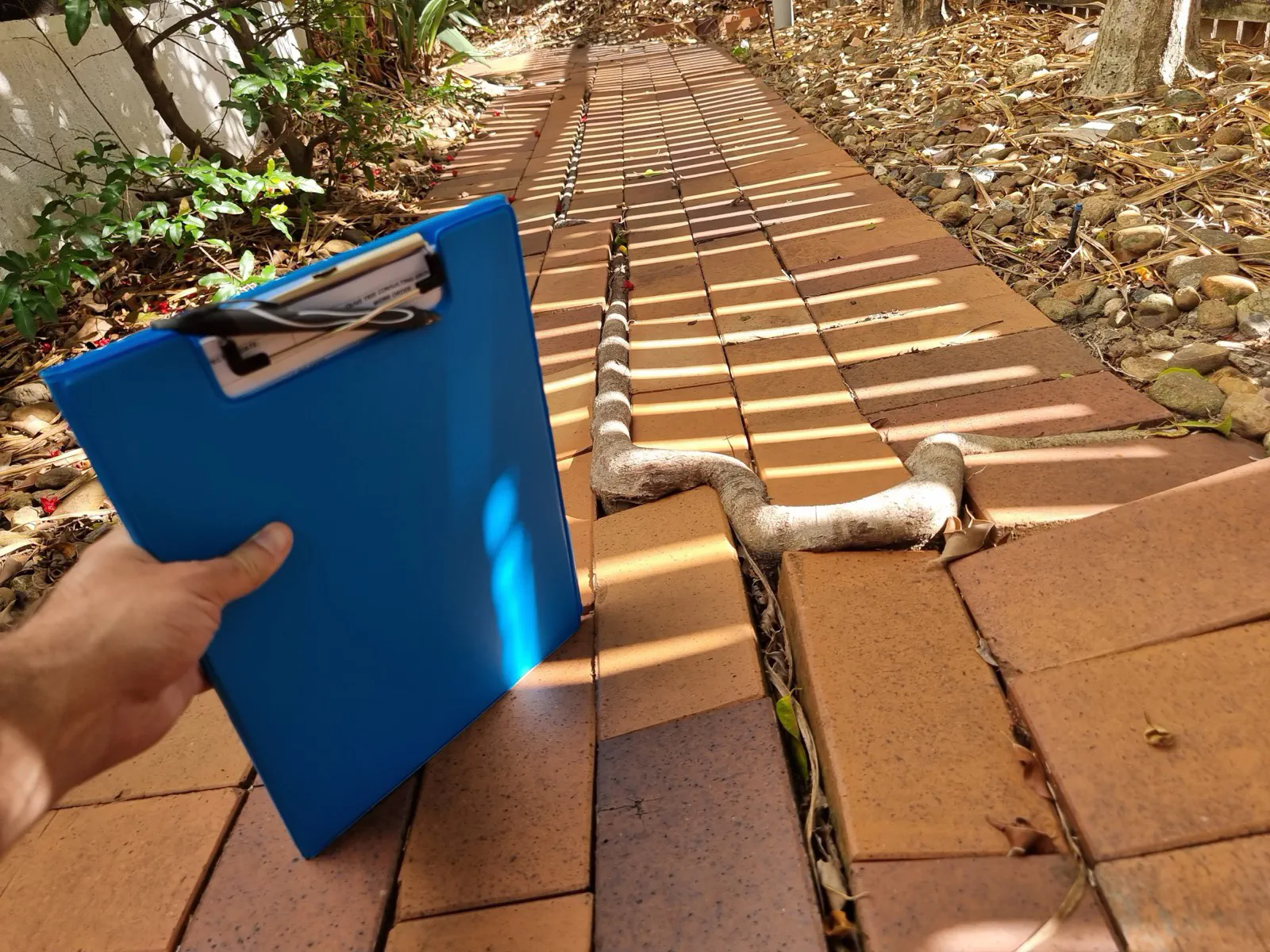
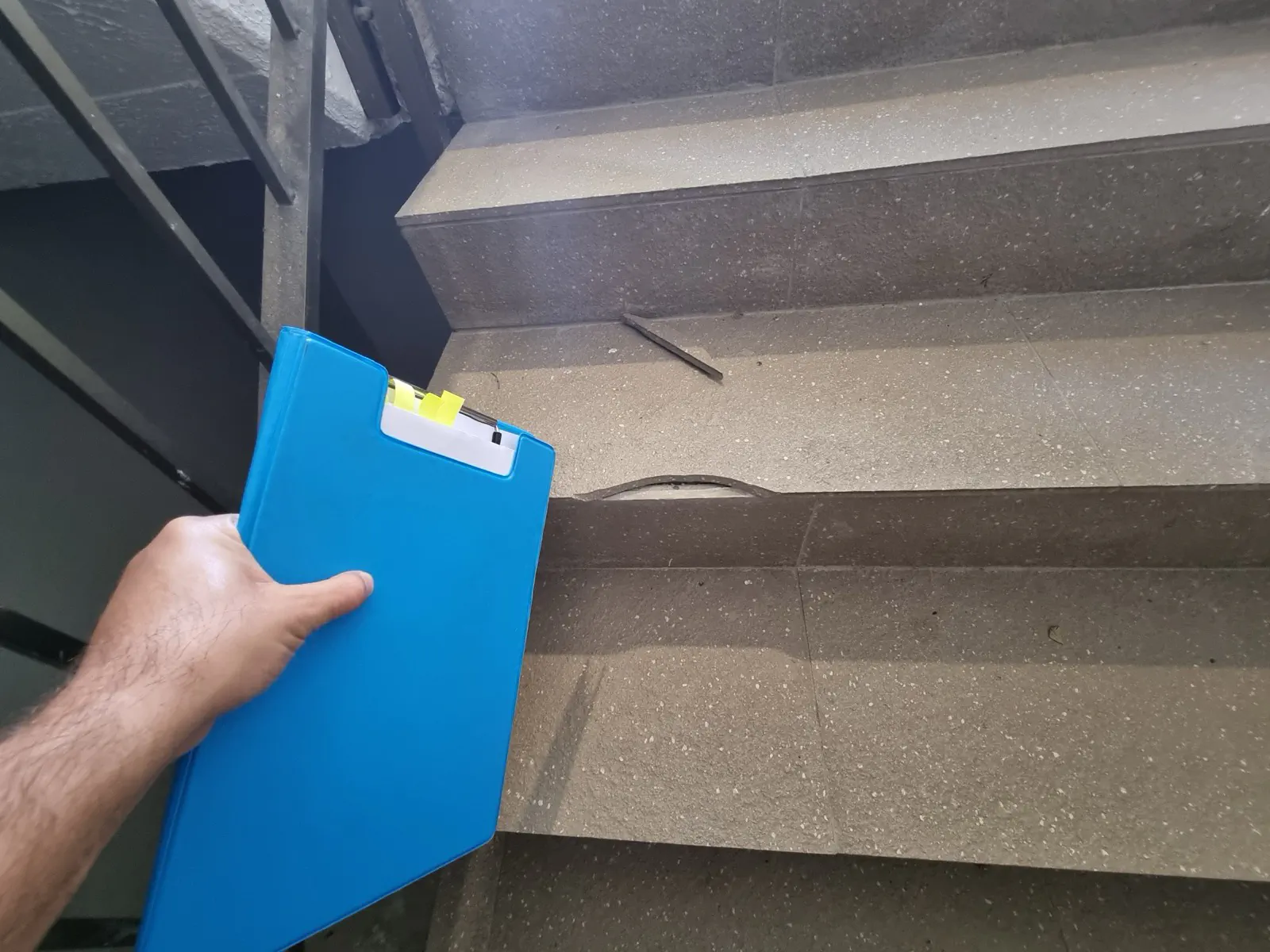
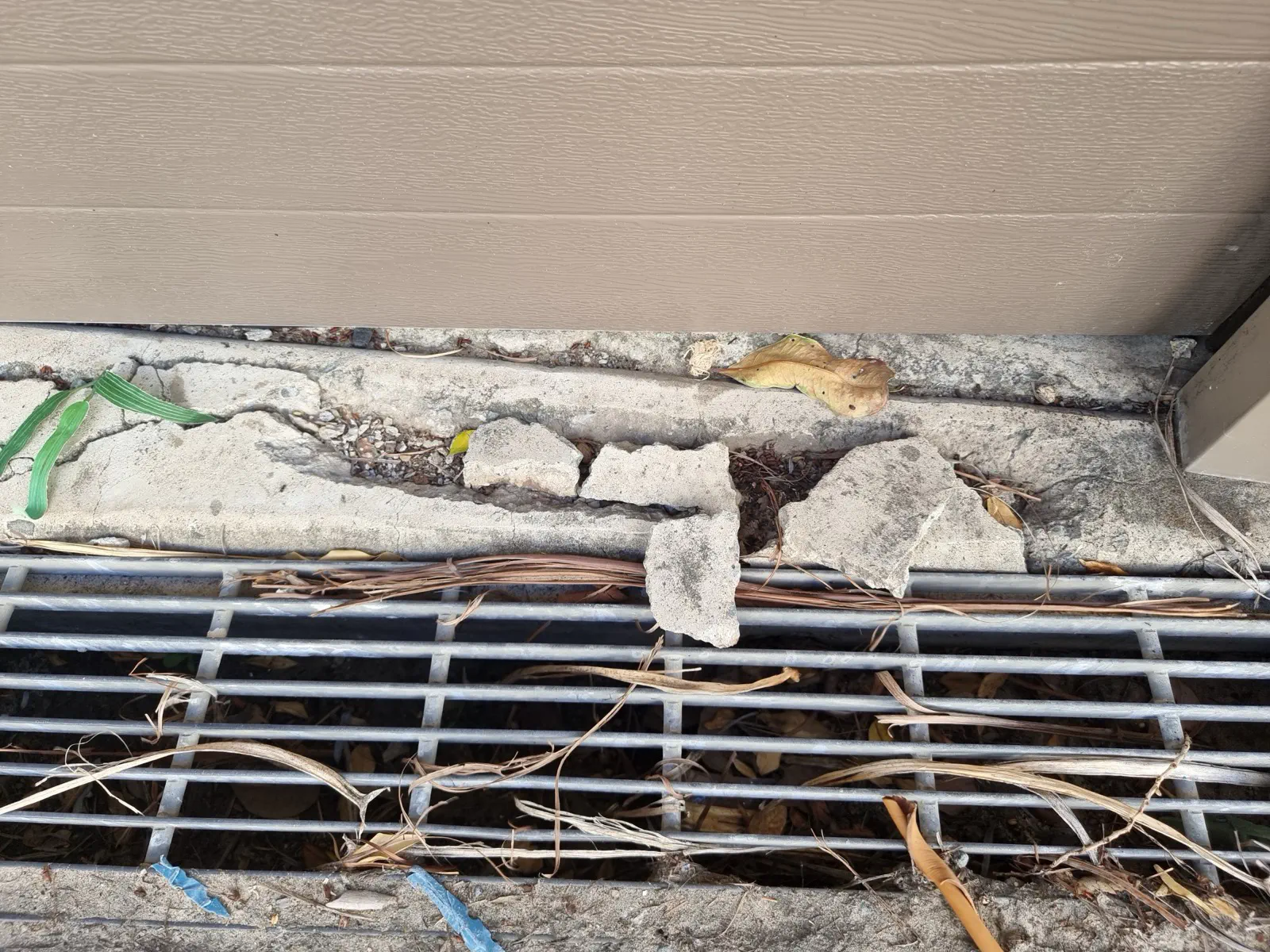
Regardless of PCBU status, hazards such as damaged walkways, unsafe stairs, deteriorated handrails and slippery surfaces should not be ignored.
Slips, Trips and Falls: A Common Hazard
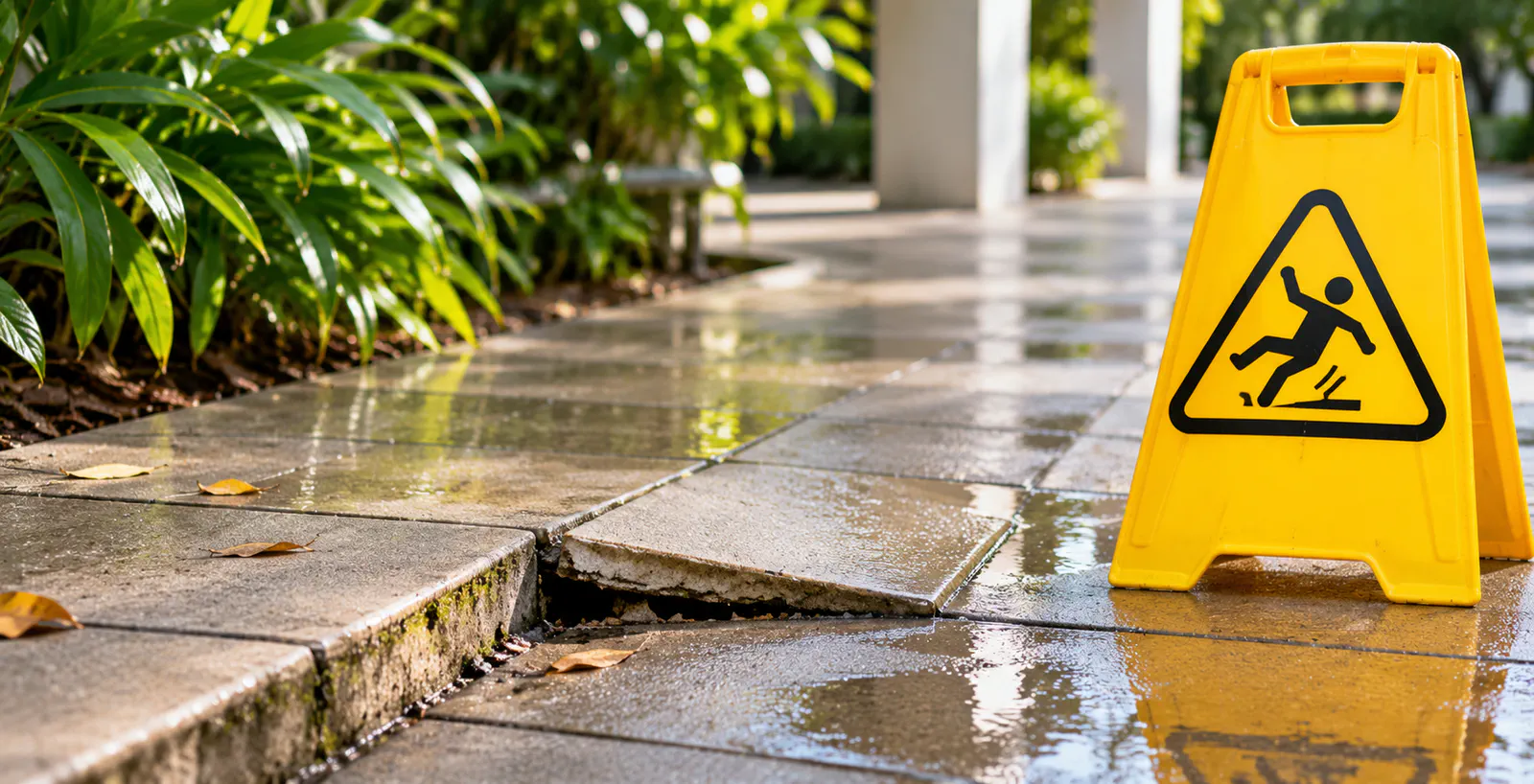
One of the most common risks on common property is slips, trips and falls.
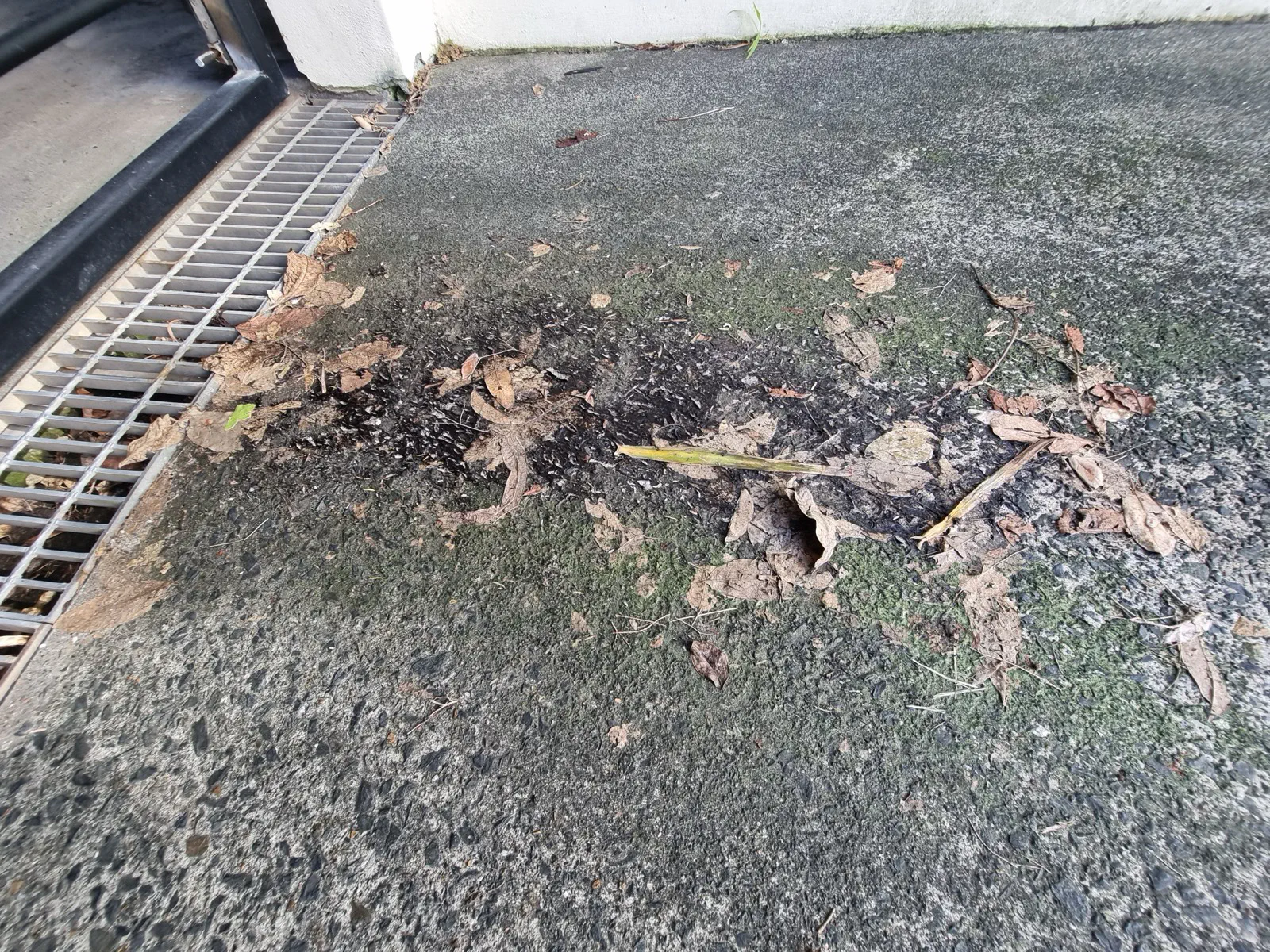
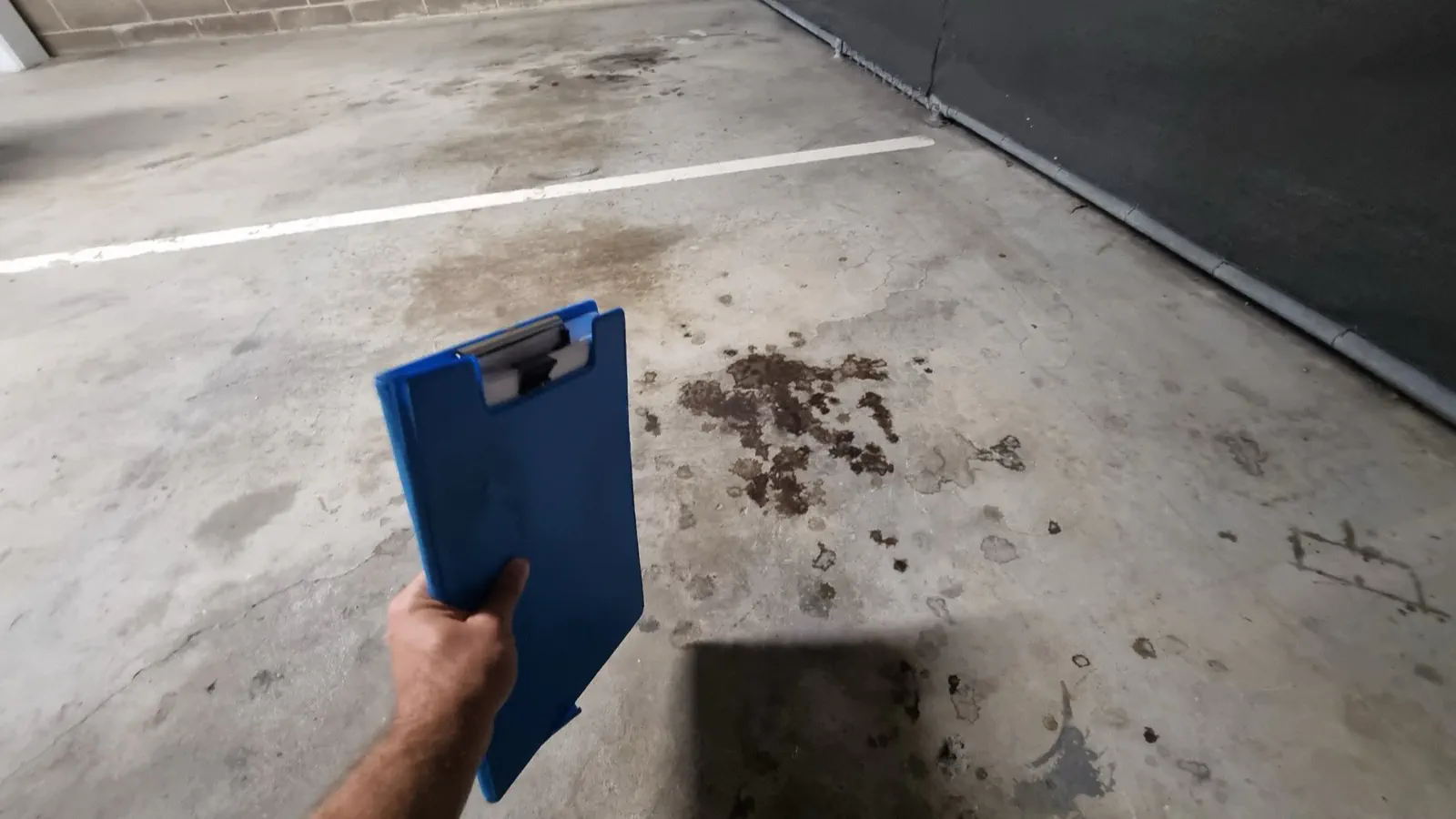
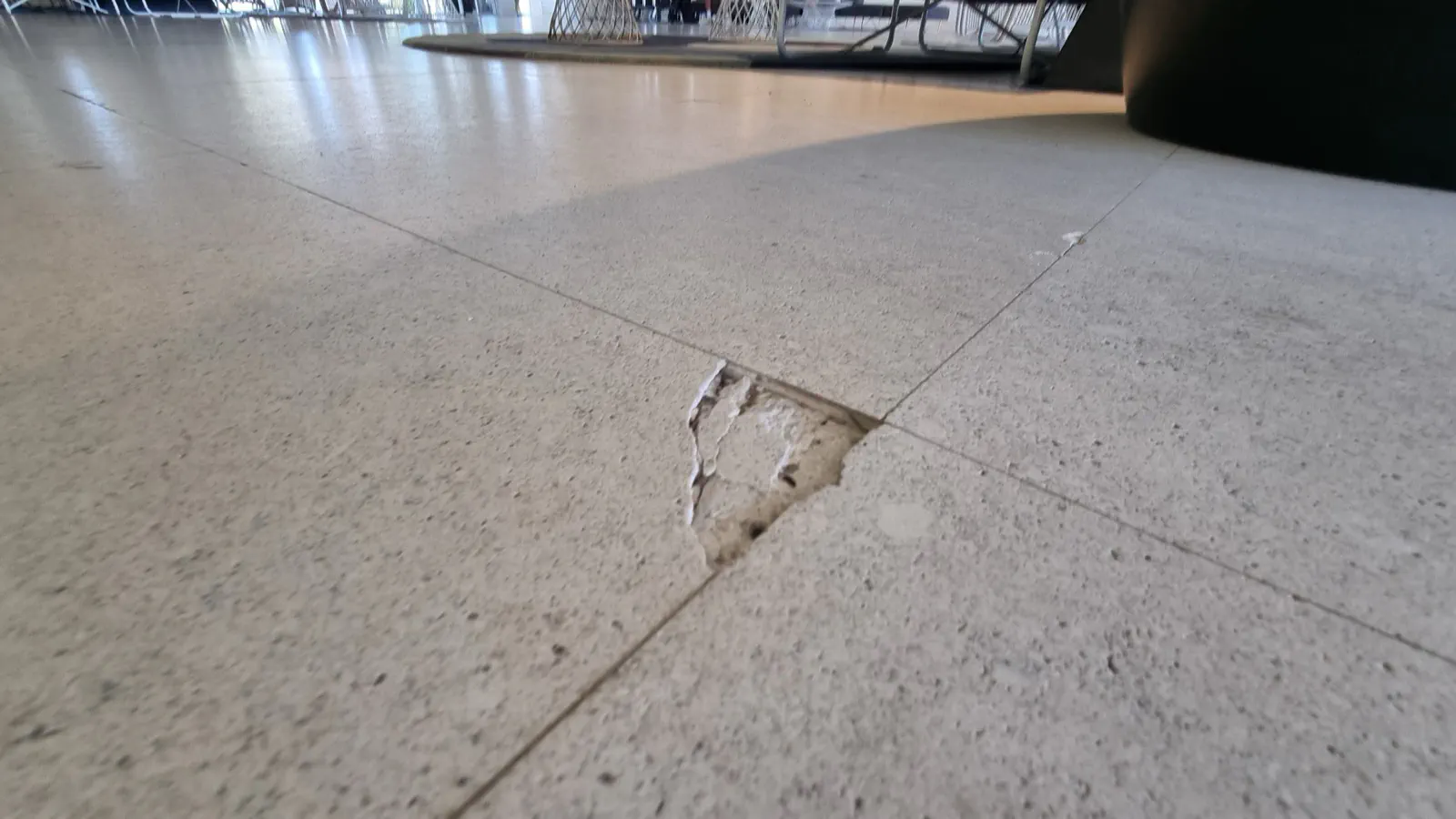
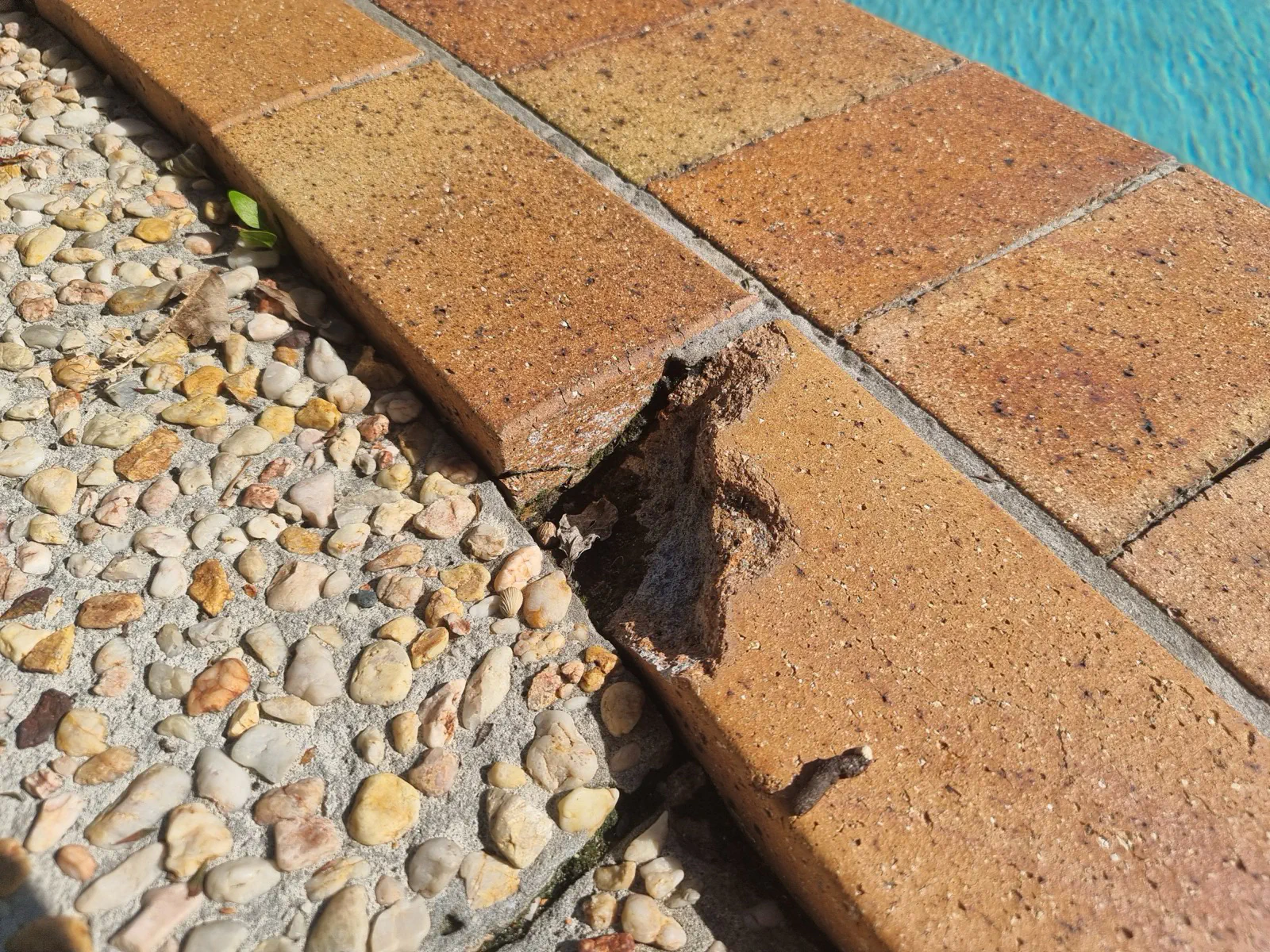
Poorly maintained walkways, uneven flooring, damaged stairs and wet surfaces can create significant safety hazards. The build-up of algae, mildew and other slippery substances can further increase these risks, particularly around outdoor areas, pools and shared facilities.
These issues can lead to injuries and potential liability for the body corporate if appropriate action is not taken.
Liabilities for Bodies Corporate
Failing to address known safety hazards can expose a body corporate to potential legal claims, financial costs and reputational damage.
Even where general WHS duties do not apply, bodies corporate must still consider their common property maintenance obligations and potential liability arising from unsafe conditions.
It’s not simply about meeting legislative requirements. It’s about maintaining a safe environment for everyone who uses the property.
Managing Common Property Safety Risks
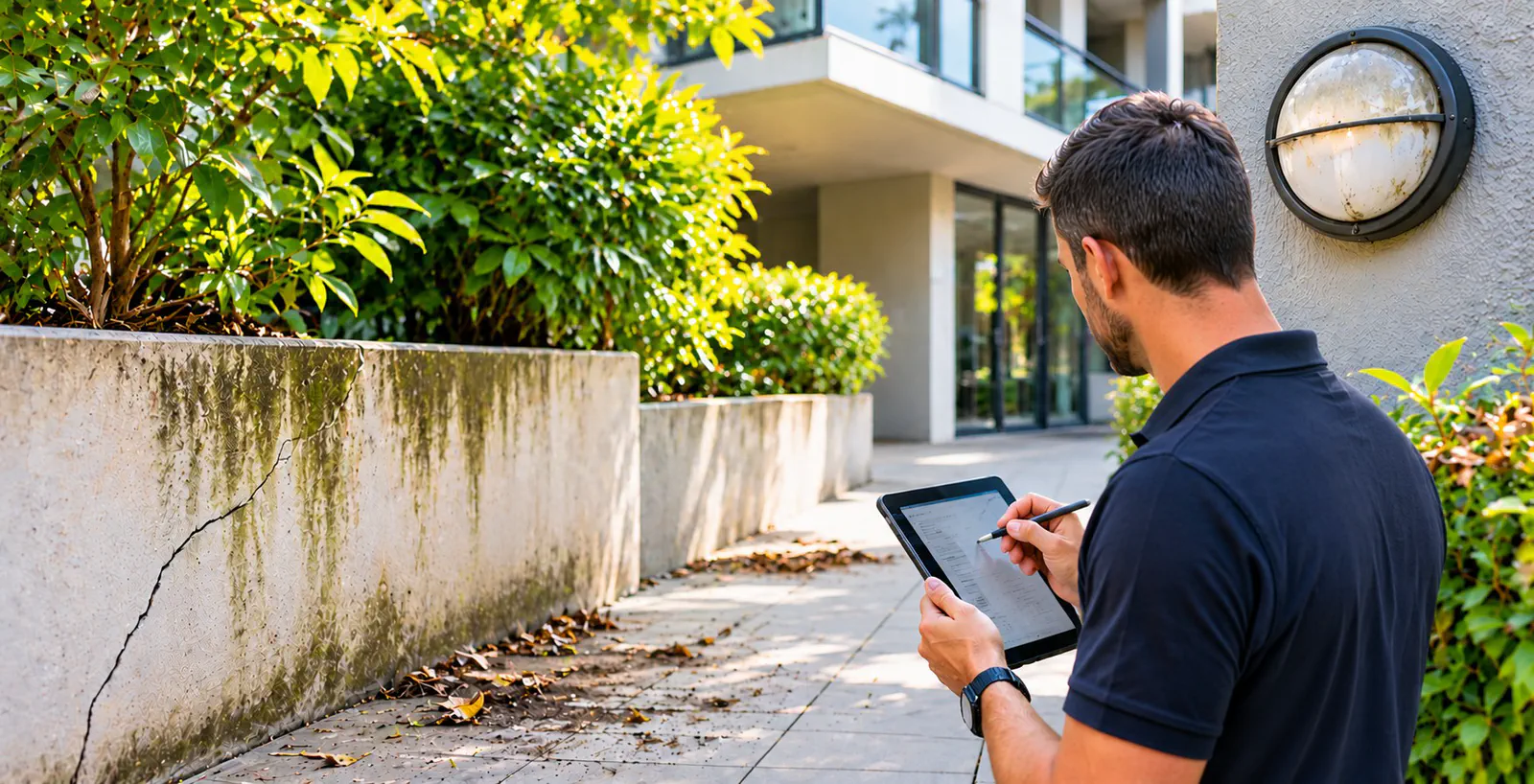
Regular inspections, maintenance and hazard assessments can help identify potential issues before they result in an incident.
Common areas requiring attention may include:
- Walkways, stairs, ramps and handrails.
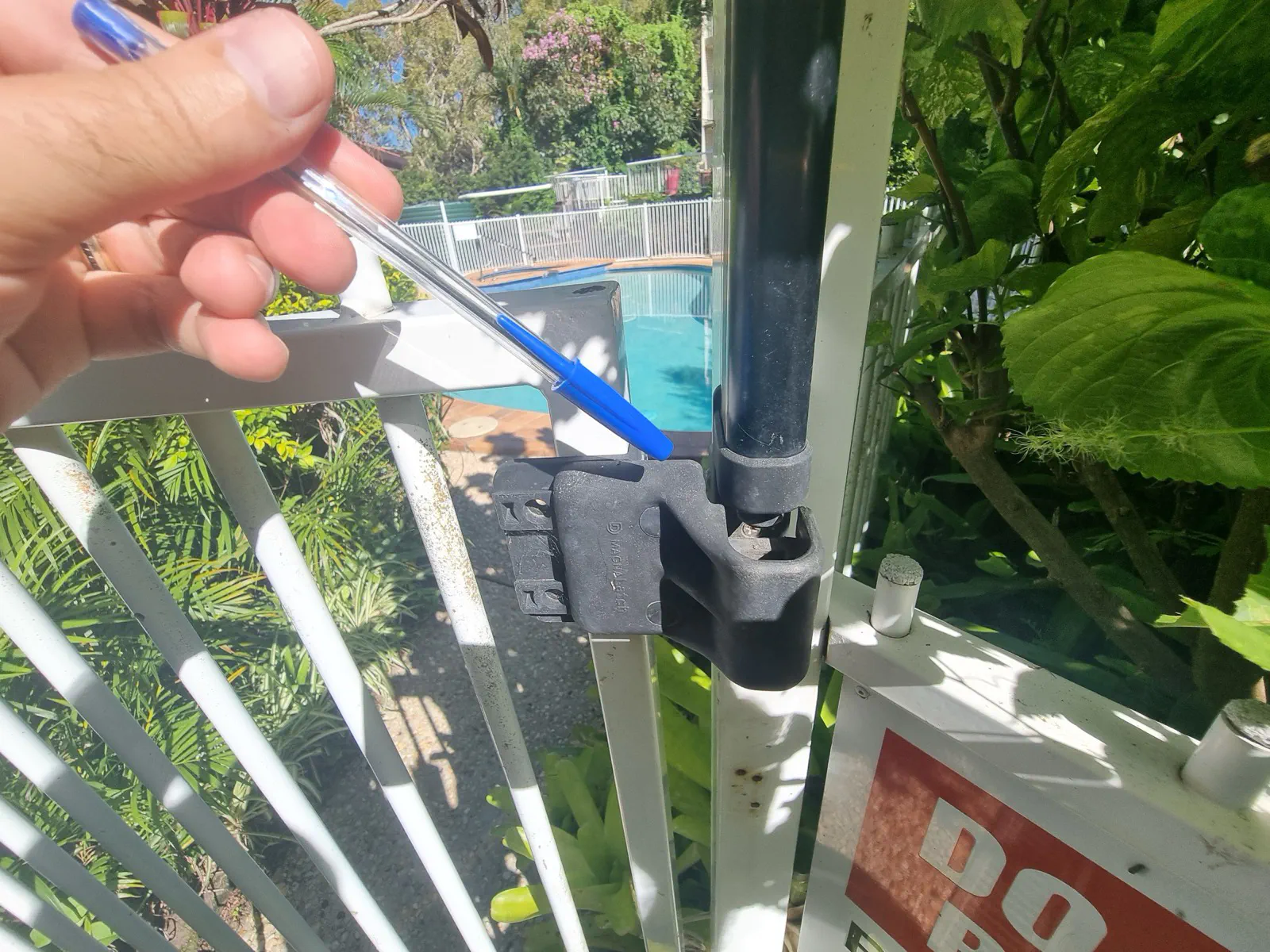
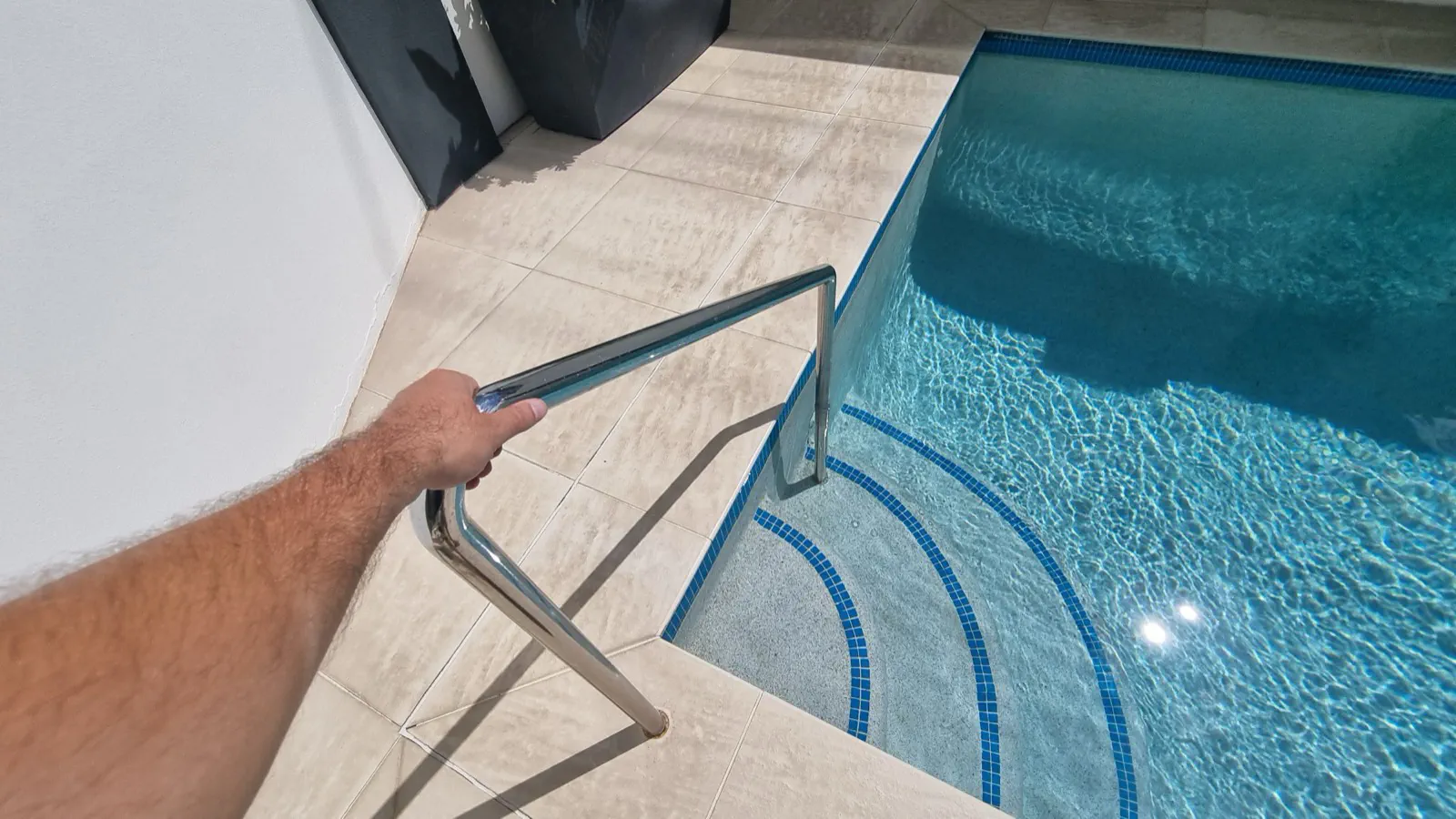
- Swimming pools and recreational facilities.
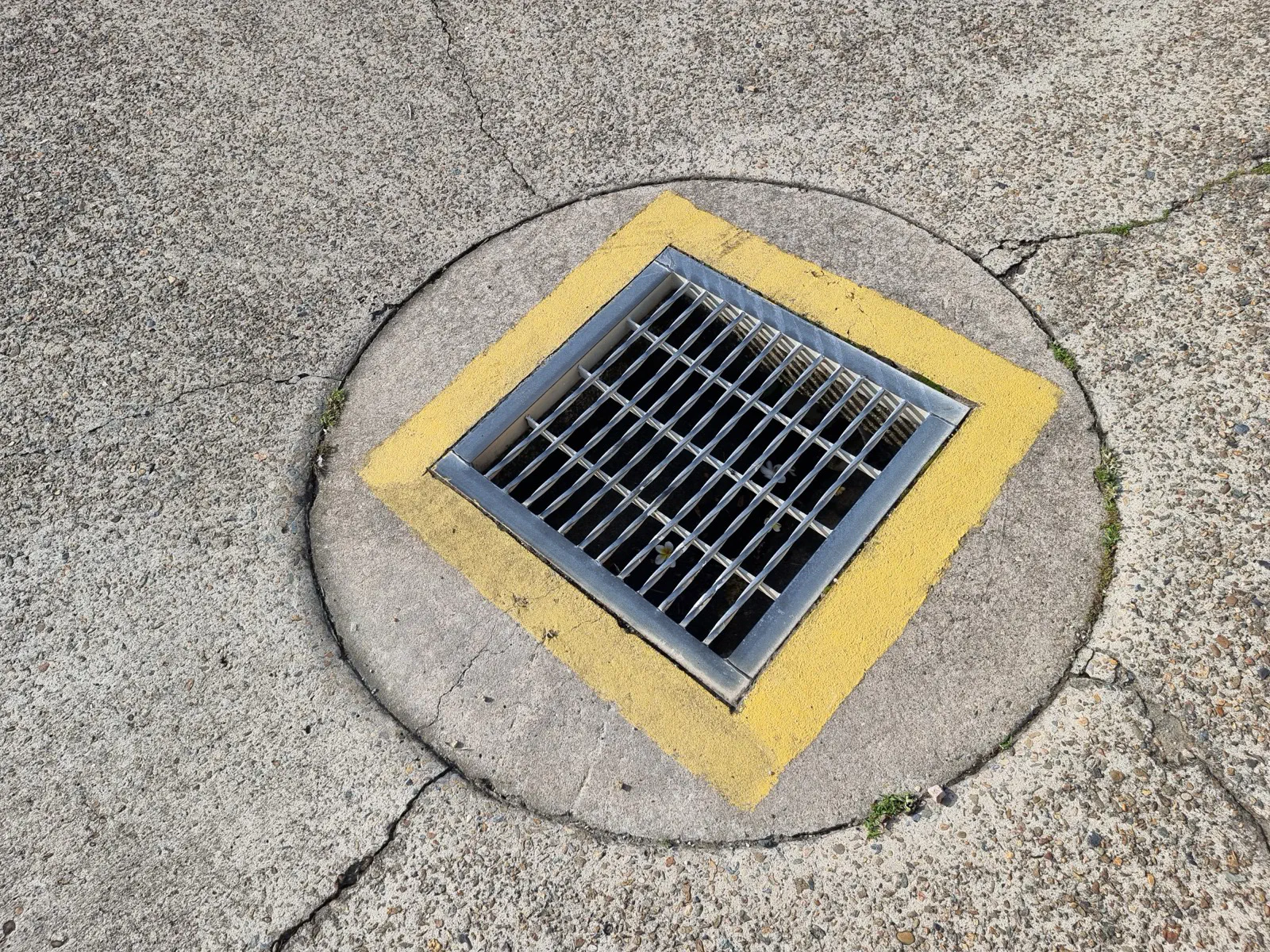
- Car parks and vehicle access areas.
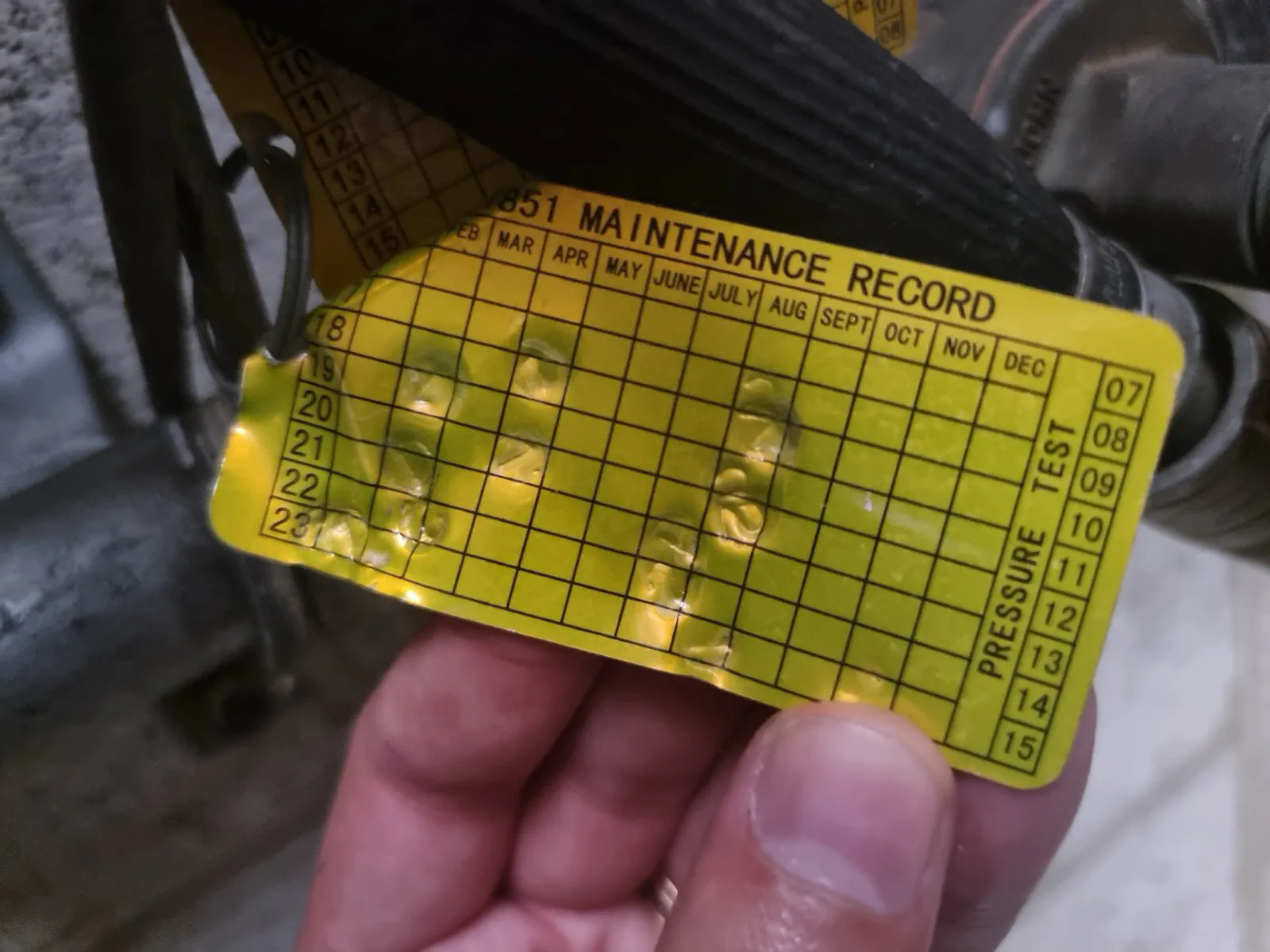
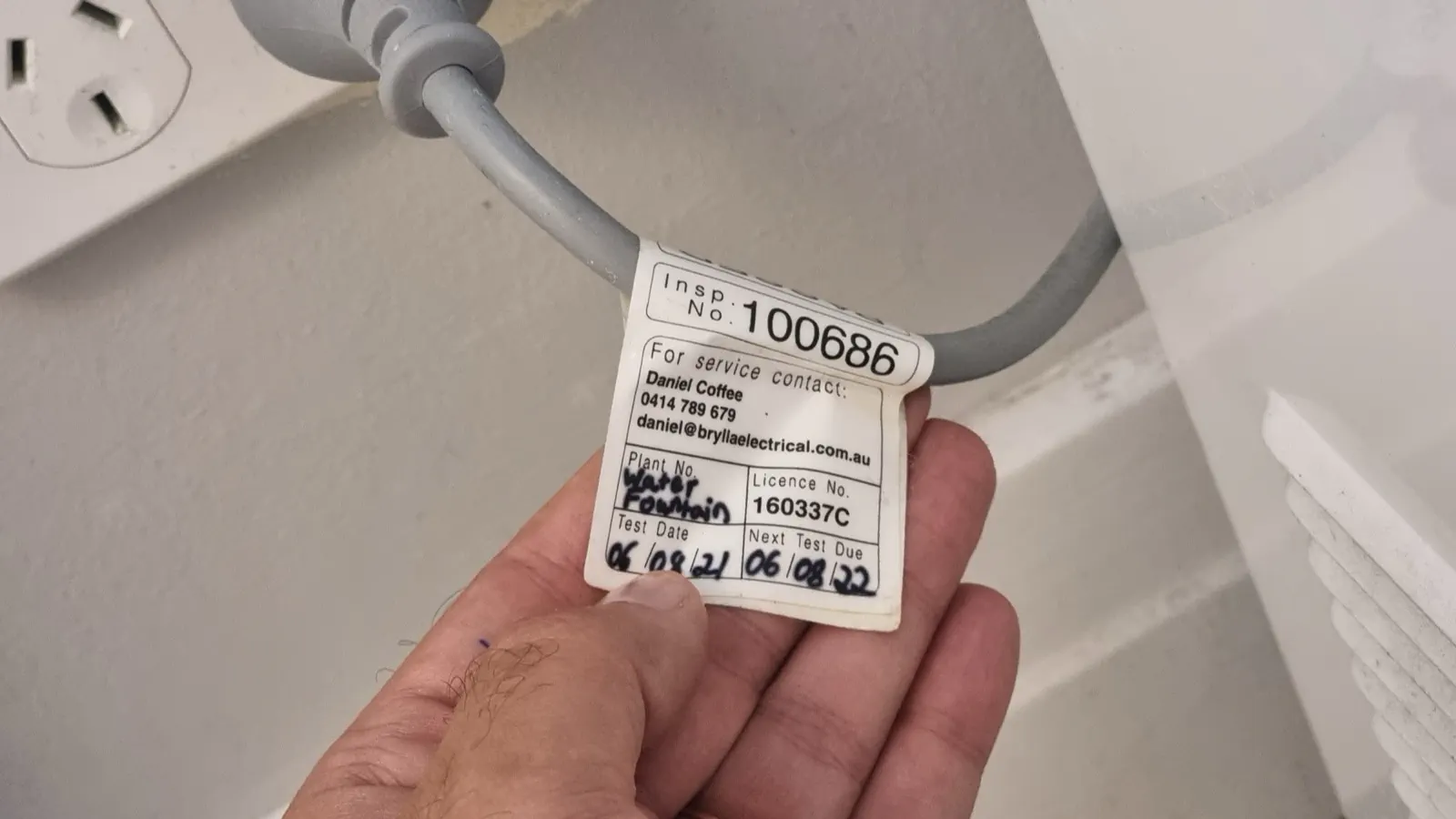
- Electrical installations and common property equipment.
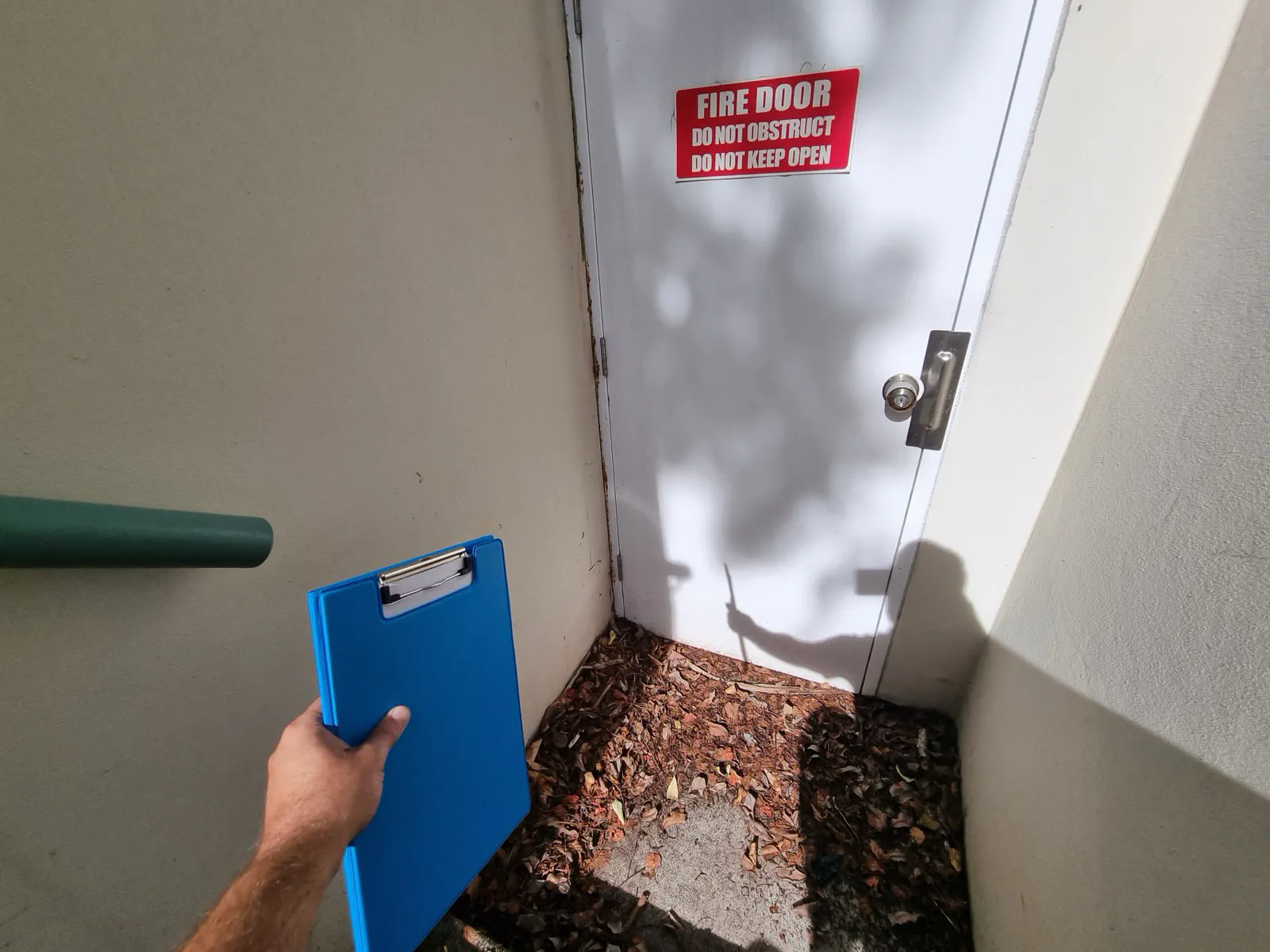
- Fire safety systems and emergency exits.
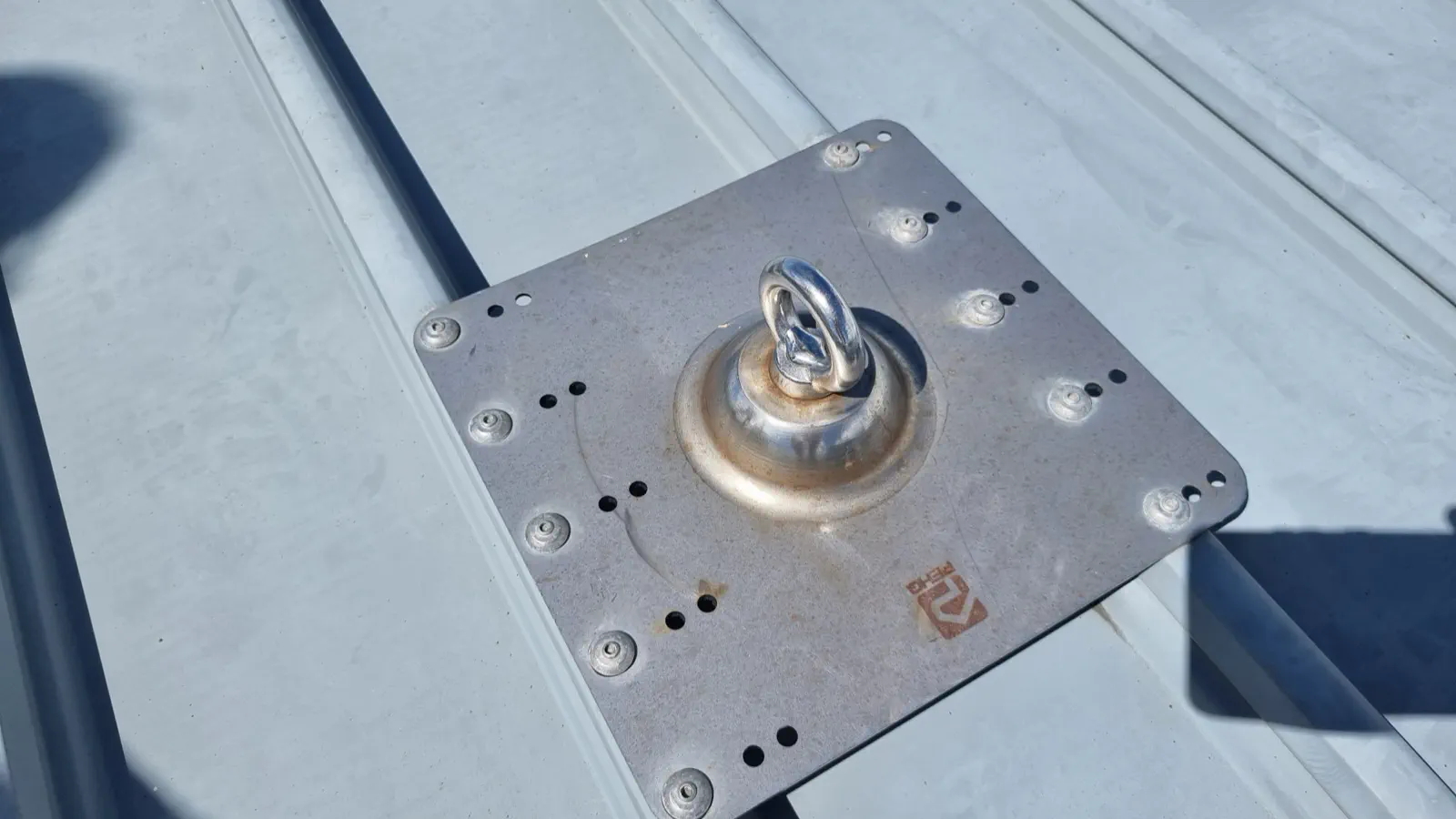
- Plant rooms and maintenance areas.
Different buildings have different requirements depending on their classification, facilities, use and applicable legislation.
A proactive approach helps committees identify hazards, prioritise maintenance and document the action taken.
The Importance of Common Property WHS Safety Reports
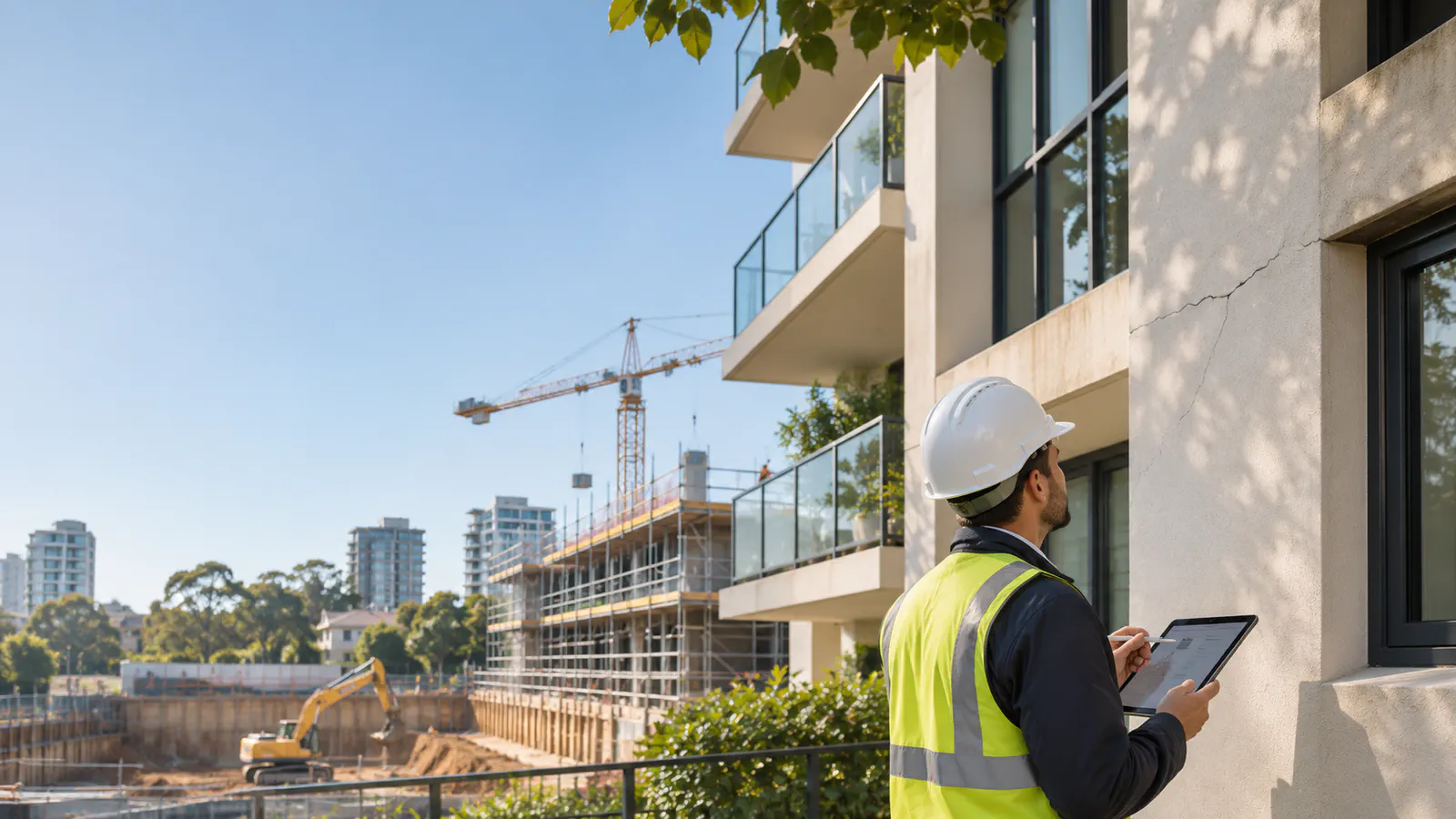
Engaging a qualified WHS inspector to conduct a common property safety audit is a practical way to identify hazards and assess potential risks.
These reports provide an independent assessment of accessible common property areas, identifying safety concerns and outlining practical control measures.
A professional safety report can help the committee understand what requires attention, prioritise corrective action and maintain a documented record of identified risks.
Importantly, a safety audit can be valuable even where the body corporate is not classified as a PCBU.
Insurance and Risk Management Benefits
Regular safety assessments demonstrate a proactive approach to identifying and managing common property risks.
Documenting hazards, maintenance requirements and corrective actions may also assist with insurance discussions and the management of potential liability claims.
While a safety report does not guarantee compliance or reduced insurance premiums, it provides valuable information to support responsible property management.
Need a Common Property Safety Audit?
Olive Tree Consulting Group provides independent WHS and common property safety audits across Queensland and Northern NSW.
Our qualified WHS inspectors identify potential hazards, assess risks and provide clear, practical reports to help bodies corporate understand what needs attention.
If you’re looking for a common property safety report, contact us at Olive Tree Consulting Group.
Office: 1300 142 172
Email: admin@olivetreeconsultinggroup.com.au