Building defects can become a major concern for bodies corporate, particularly when problems affect common property, lead to costly repairs or create potential safety hazards.
From cracking and water ingress to concrete deterioration and structural concerns, building defects can affect the condition, appearance and long-term value of a property.
For body corporate committees, the challenge is often understanding what is causing the problem, who is responsible and what needs to be done to fix it.
Common Building Defects in Body Corporate Properties
Building defects can occur in properties of all ages, from newly constructed apartment buildings to older residential and commercial developments.
Some of the most common issues include:
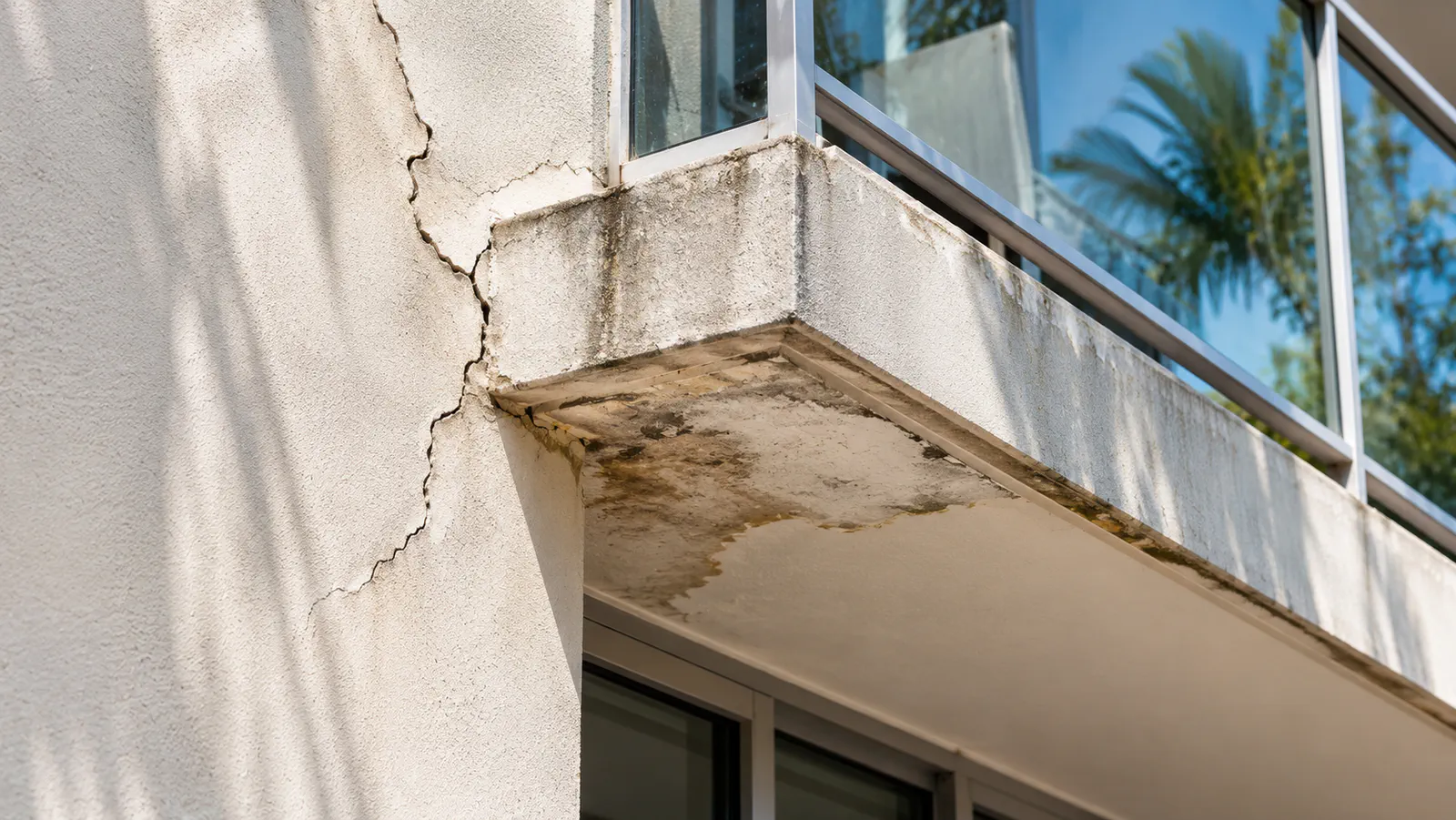
- Water ingress and waterproofing failures: Leaks through balconies, roofs, windows and external walls, potentially resulting in internal damage and mould.
- Cracking and building movement: Cracks in concrete, render, walls and other building elements that may require further investigation.
- Concrete deterioration: Spalling, corrosion and deterioration of reinforced concrete, particularly in exposed or coastal environments.
- Balcony and balustrade defects: Deteriorated waterproofing, corroded fixings, damaged finishes and potential safety concerns.
- Roofing and drainage problems: Blocked drainage, roof deterioration and water penetration affecting common property.
- Defective workmanship or materials: Construction defects that may become apparent shortly after completion or develop over time.
Not every crack or maintenance issue indicates a serious structural defect. However, recurring or worsening problems should be assessed to determine whether further investigation is required.
Why Building Defects Can Become Expensive
One of the biggest challenges facing bodies corporate is the cost of investigating and rectifying building defects.
What initially appears to be a minor issue can sometimes involve more extensive repairs, particularly where defects affect concealed waterproofing systems, structural elements or multiple areas of the building.
Common challenges include:
High Repair Costs
Major waterproofing repairs, concrete remediation, balcony replacements and structural works can involve substantial expenditure.
Where the sinking fund has insufficient reserves, the body corporate may need to consider additional contributions or special levies.
Identifying Who Is Responsible
Determining responsibility for building defects isn’t always straightforward.
Depending on the scheme’s titling structure, applicable legislation and nature of the defect, responsibility may rest with the body corporate, individual lot owners, builders or other parties.
Where defective building work is suspected, further technical investigation and legal advice may be necessary.
Safety Concerns
Certain defects can create risks for residents, visitors and contractors.
Deteriorating concrete, loose building elements, defective balustrades and other structural concerns may require prompt assessment and appropriate safety measures.
Insurance Complications
Known building defects and maintenance issues can affect insurance arrangements, including premiums, exclusions and the availability of cover.
It’s important to understand that insurance policies do not necessarily cover defective workmanship, deterioration or the cost of correcting an underlying building defect.
Legal Disputes
Building defects can also lead to disagreements between bodies corporate, owners, builders, contractors and insurers.
Without proper documentation and independent technical advice, resolving these disputes can become difficult and expensive.
Water Ingress: One of the Most Common Building Concerns
Water ingress is a recurring problem in many strata buildings, particularly where waterproofing systems, external walls, windows, balconies or drainage components have deteriorated or failed.
A leak may appear inside one apartment, even though the source of the water is elsewhere in the building.
For example, moisture entering through an external wall or balcony may travel through concealed building elements before becoming visible internally.
Simply sealing an obvious crack or replacing damaged finishes may not address the underlying cause.
This is why an appropriate building investigation is important, particularly where leaks continue despite previous repairs.
Depending on the circumstances, an investigation may involve visual inspections, moisture measurements, thermal imaging or further specialist testing.
What Should a Body Corporate Do When Building Defects Are Identified?
When building defects are reported, committees should avoid making assumptions about the cause, severity or responsibility for the issue.
A practical approach includes:
1. Document the Problem
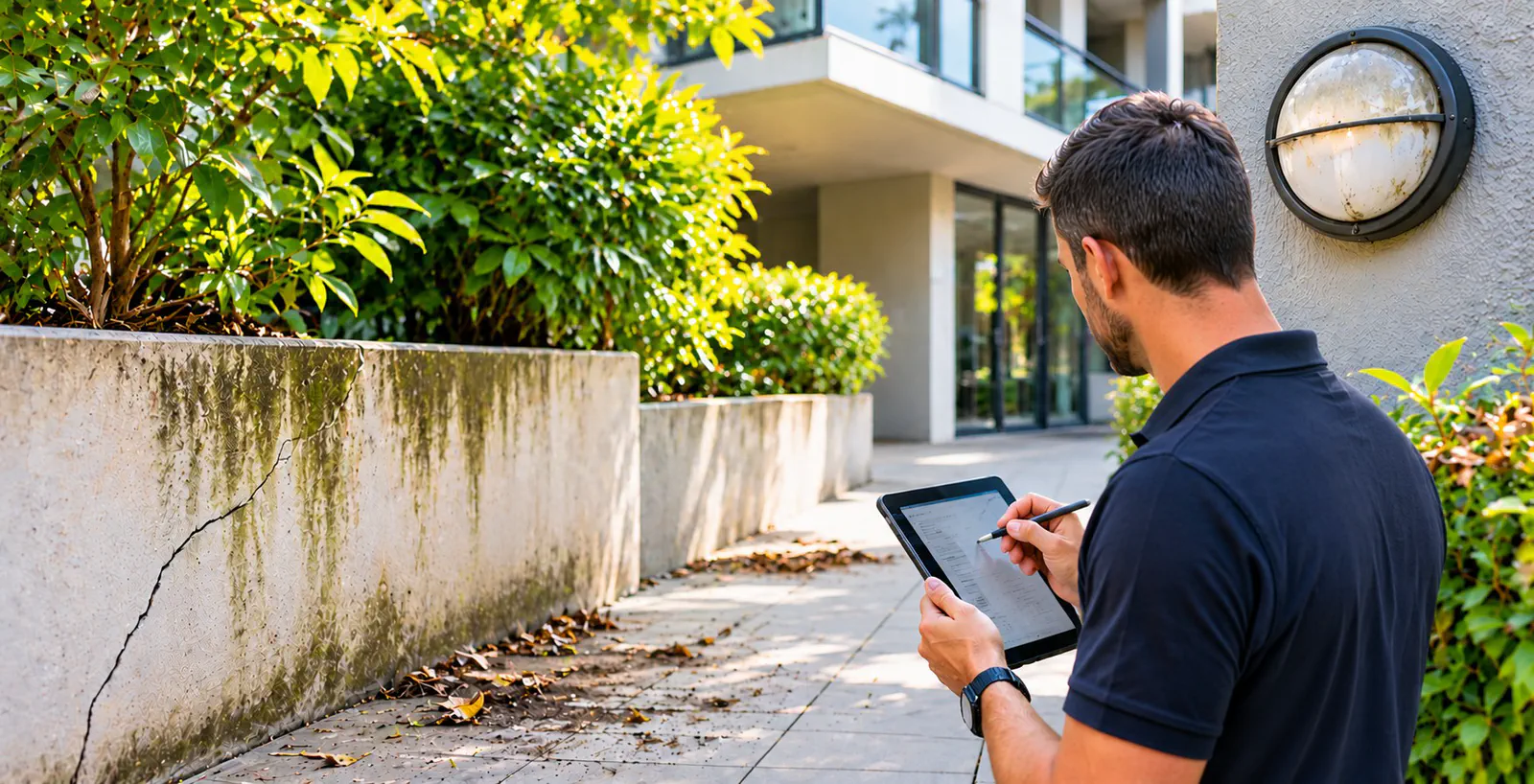
Record the location, nature and extent of the observed defect.
Photographs, previous maintenance records, inspection reports and information from affected owners can help establish the history of the issue.
2. Arrange an Independent Building Assessment
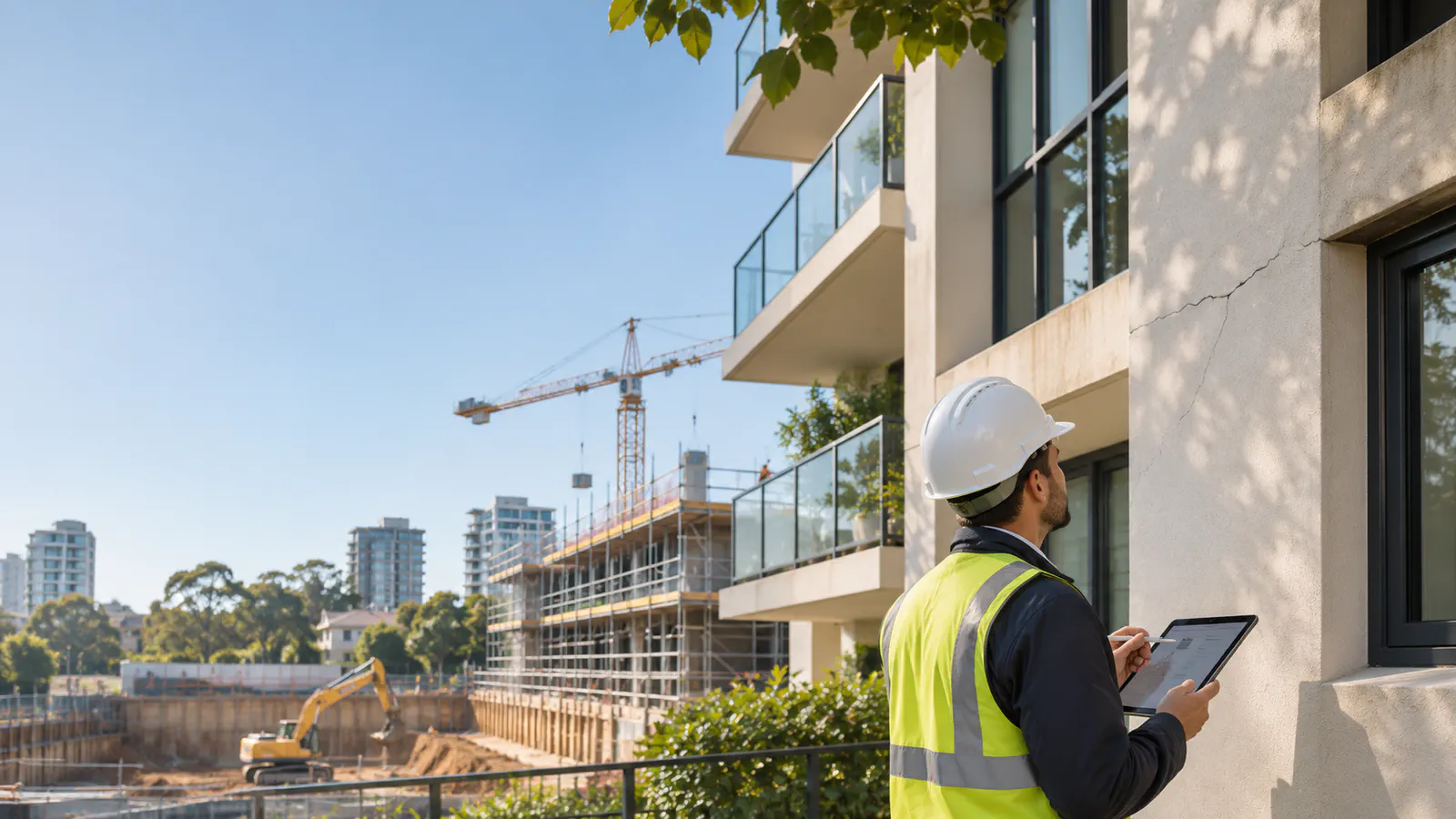
Engage an appropriately qualified building consultant or engineer to assess the reported concerns.
An independent inspection can help identify visible defects, consider potential causes and determine whether further technical investigation is necessary.
3. Establish Responsibility
Review the relevant survey plans, body corporate documentation, maintenance obligations and available building records to help establish which party may be responsible.
Where responsibility is disputed, professional legal advice may be required.
4. Obtain Appropriate Repair Advice
Once the nature and extent of the defect are understood, the body corporate can consider suitable rectification options and obtain quotations from appropriately qualified contractors.
For more complex matters, an engineer may need to prepare a scope of works or provide technical advice on the proposed repairs.
5. Plan and Budget for the Works
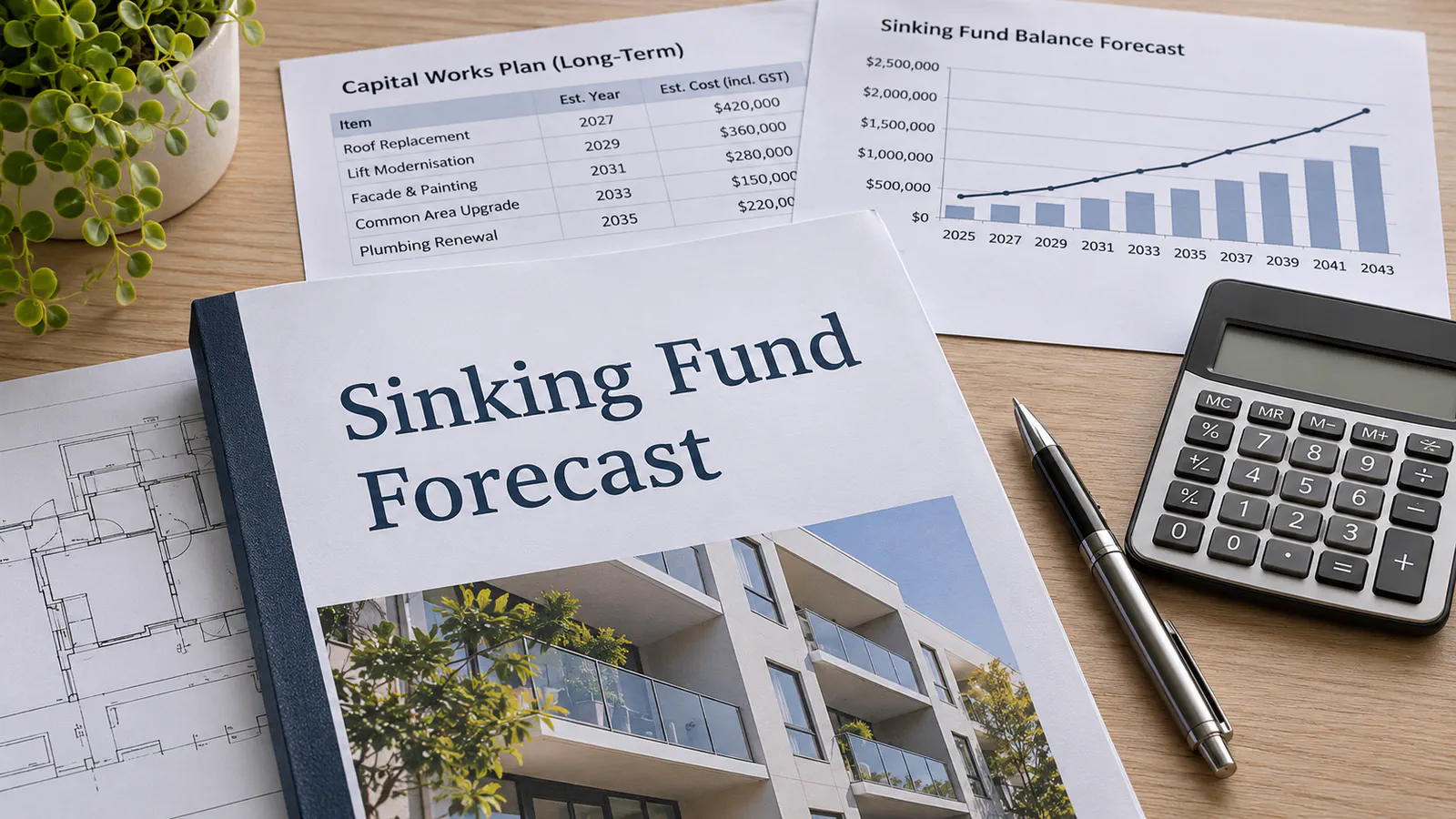
Significant repairs may require consideration of the scheme’s sinking fund, future capital expenditure and available financial resources.
Keeping owners informed about the findings, proposed repairs and likely costs can also help manage expectations.
The Importance of Independent Building Condition Reports
A professional Building Condition Report provides an independent assessment of the visible condition of a building or its common property.
At Olive Tree Consulting Group, our building consultants and engineering team undertake inspections to identify defects, deterioration, maintenance concerns and potential safety issues.
Depending on the agreed scope, assessments may include building exteriors, balconies, common property areas, car parks, roofs where safely accessible and other relevant building elements.
Our reports document the findings with supporting photographic evidence and practical advice on matters requiring attention.
For more complex issues, further engineering assessments or specialist investigations may be recommended.
The aim is to help committees understand the condition of their building before committing to potentially expensive repairs.
Don’t Overlook Your Sinking Fund Forecast
Building defects can have a significant impact on a body’s corporate long-term maintenance and financial planning.
Unexpected concrete repairs, waterproofing failures or major building remediation can place pressure on existing sinking fund reserves.
Where substantial defects or upcoming capital works have been identified, reviewing the scheme’s sinking fund forecast may help the committee understand the financial implications and plan future contributions.
Accurate cost planning is particularly important for older buildings and larger strata developments with significant shared infrastructure and maintenance requirements.
Protecting Your Building and Your Investment
For owners, a strata property is often both a home and a significant financial investment.
Allowing building defects to remain unresolved can result in further deterioration, increased repair costs and ongoing concerns for residents.
Regular building inspections, appropriate maintenance planning and timely investigation of reported defects can help bodies corporate better manage their properties.
Not every defect requires major rectification. However, understanding the problem early can help committees make informed decisions and avoid unnecessary expenditure.
Need an Independent Building Defect Assessment?
Olive Tree Consulting Group provides Building Condition Reports, Building Defect Assessments and Engineering Investigations for residential, commercial and strata properties across Queensland and Northern NSW.
Our qualified consultants provide independent inspections and clear, evidence-based reporting to help bodies corporate identify building concerns, understand potential risks and plan the next steps.
Whether you’re dealing with recurring water ingress, cracking, concrete deterioration or other building defects, our team can assist.
Contact Olive Tree Consulting Group to discuss your building or request an obligation-free quote.